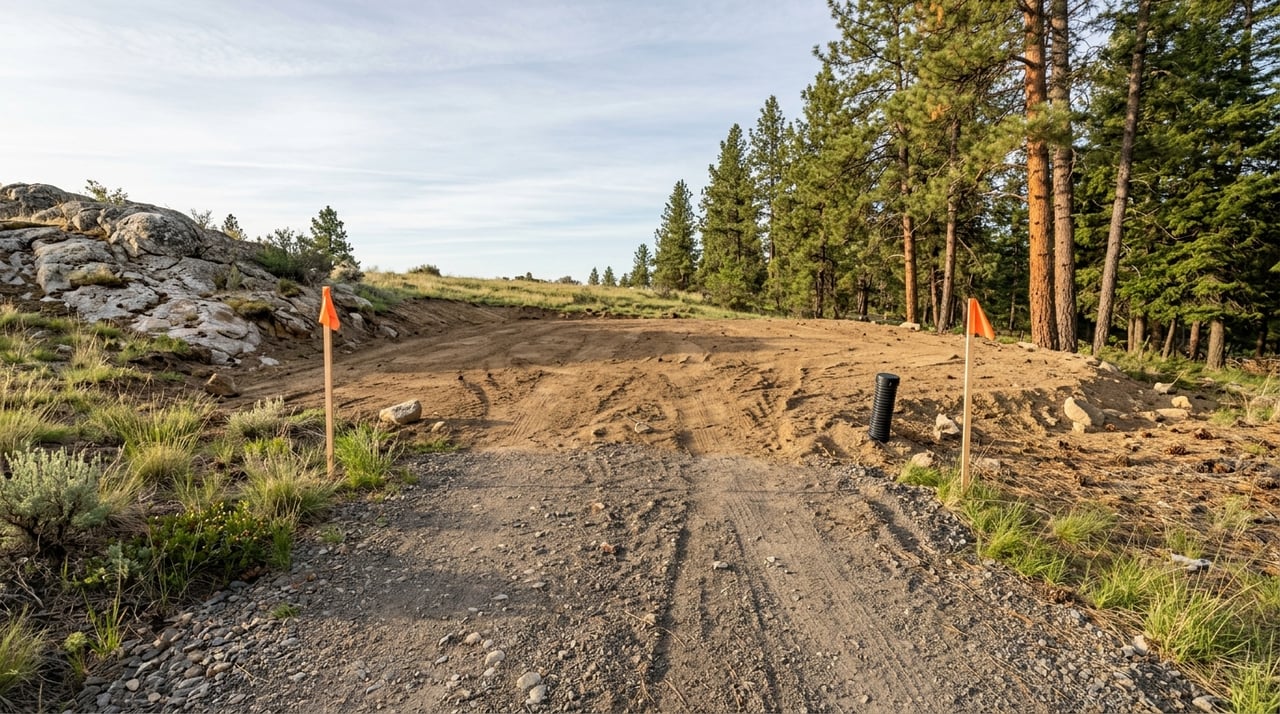
If you are dreaming about buying vacant land in Shawnee’s mountain foothills, the view alone should not make the decision for you. A beautiful parcel can still come with hard questions about access, water, septic, snow, slope, and wildfire planning. The good news is that with the right order of due diligence, you can spot deal-breakers early and move forward with more confidence. Let’s dive in.
Start With Buildability, Not Acreage
In the Shawnee area, raw land value is about more than lot size. What matters most is whether the parcel can support a legal homesite, safe access, and the systems needed for year-round use.
Park County makes that clear in its development guidance. Land use and development are governed by zoning ordinances, land use regulations, subdivision regulations, building codes, and state and county health rules, and building permits are not issued until other county requirements are met first.
That means your first question should not be, “How many acres is it?” It should be, “Can I realistically build here?”
Check Access and Driveway Feasibility First
Before you get attached to a parcel, confirm how you would legally and practically reach it. In mountain areas, access can shape everything from construction cost to winter usability.
Park County requires property owners to identify the driveway location and apply for a driveway permit before building a driveway. Owners are also responsible for constructing and maintaining their own driveways and parking areas.
That matters because county road maintenance has limits. Park County says it maintains only roads on the county road system, not private roads or subdivision roads outside that system, and some remote county roads may be graded only once a year, if at all.
Why road type matters
A parcel that looks easy to reach in summer may feel very different in winter or mud season. If the road is private or lightly maintained, you need to understand that reality before you buy.
The county also notes that public-road easements can carry similar maintenance expectations to a deeded right-of-way. In other words, legal access does not always mean easy access.
Driveway rules can affect cost
Park County driveway standards tie design to natural topography and include rules for width, curve radius, grade, erosion control, and emergency vehicle access. If a driveway will be longer than 200 feet, the county requires all-weather surfacing.
On a steep or wooded lot, those requirements can add time and expense. This is one reason many buyers bring in a civil engineer or experienced builder early when the access route looks challenging.
Verify boundaries before planning access
Do not assume the edge of the pavement tells you where the legal right-of-way begins. Park County says its right-of-way averages 30 feet to either side of the county-road centerline, so driveway placement should be checked against legal boundaries, not guessed from what you see on site.
If property pins are missing or boundaries are unclear, the county says a survey may be needed. That is a smart step before you invest in site plans or driveway design.
Confirm Zoning, Setbacks, and Covenants
Once access looks workable, the next step is confirming what the parcel actually allows. This is where many buyers discover that tax records and zoning are not the same thing.
Park County’s Land Use Regulations and official zoning map control allowed uses, setbacks, variances, and the timing of development. The county also advises buyers to check HOA covenants before applying for a building permit.
Do not rely on assessor labels alone
An assessor account type is not the same as a zone district. A parcel may be classified one way for tax purposes while having very specific zoning rules that control what can be built.
For that reason, it helps to review zoning, recorded plats, deeds, easements, and any restrictions together. Park County’s Clerk and Recorder allows public record searches online or in the Fairplay office, but the office does not provide legal advice or do research for you.
Keep your own paper trail
Park County’s Building, Planning and Zoning, and Environmental Health departments are separate. Buyers should keep copies of approvals and file numbers instead of assuming each office automatically has the others’ paperwork.
That simple habit can save time and stress later in the process.
Water and Septic Can Make or Break a Parcel
In the Shawnee foothills, water and septic are often the biggest difference between a parcel that looks promising and one that is truly buildable. These are not details to leave for later.
Park County requires a septic permit before you can apply for a building permit. Environmental Health also works with landowners on septic and driveway permits, site evaluations, and wetlands delineation.
What your plot plan needs to show
The county’s plot-plan checklist requires key site features to be shown, including:
- Driveway location
- Roads and rights-of-way
- Access easements
- Septic tank and leach field
- Setbacks
- Overhead utility lines
- Watercourses or wetlands
This is one reason parcel research should go beyond listing photos and aerial maps. A lot can look open and simple until you map setbacks, access, drainage, and septic placement together.
Well permits take time
For wells, Colorado DWR says every new well that diverts groundwater must have a permit. Permit files include allowable uses and construction records, and complete applications can take up to 49 days to review.
DWR also says it cannot guarantee issuance before completing a full evaluation. If your plans depend on a future well, that timing matters.
Test water before use
If a parcel already has a well, Park County recommends testing the water through a certified laboratory before household use. The county specifically recommends testing for bacteria, nitrates, radioactivity, and metals.
That is an easy step to overlook, but it can give you a clearer picture of what you are buying.
Simple cabins are not a shortcut
Some buyers assume a small seasonal structure means fewer infrastructure requirements. Park County says sleeping structures still need electrical, plumbing, sanitation facilities, and running water.
So if your plan is a simple weekend cabin, you still need a realistic utility and sanitation strategy.
Mountain Orientation Affects Daily Living
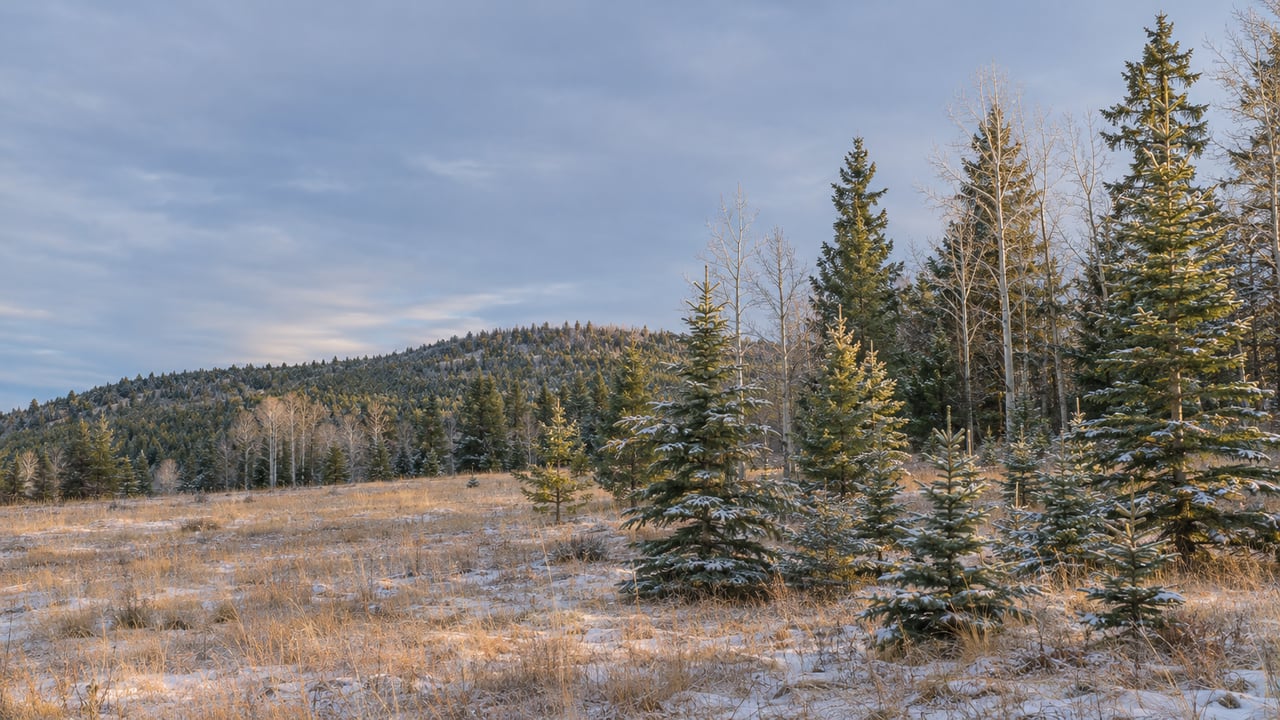
In the foothills, slope orientation can shape your experience almost as much as the view. Sunshine, snowmelt, wind exposure, and moisture can vary a lot from one parcel to the next.
Colorado State University Extension notes that south-facing slopes are warmer and drier, while north-facing slopes are cooler and moister. East-facing slopes are generally cooler and more wind-sheltered, while west-facing slopes get stronger afternoon heat and drying winds.
Why aspect matters in Shawnee
South-facing slopes typically receive more sunlight and often melt snow earlier. That can affect winter access, driveway conditions, and how quickly outdoor areas dry out.
North-facing slopes may hold snow longer and stay cooler. Depending on your goals, that could be a benefit or a challenge.
When you tour land, it helps to think beyond the daytime showing. Ask yourself how the site may feel in January, during spring melt, or after a heavy afternoon sun exposure in summer.
Treat Wildfire as Part of Site Selection
In Shawnee’s mountain setting, wildfire planning should start before you buy, not after you build. A wooded lot may be beautiful, but it also deserves a careful look at defensible space, driveway access, and building approach.
Colorado DFPC recommends defensible space, structure hardening, and family evacuation planning as part of living in the wildland-urban interface. The Colorado State Forest Service says two primary factors in a home’s ability to survive wildfire are fire-resistant roofing, siding, and porch materials, along with a defensible zone around the home.
Evaluate the site, not just the home plan
A parcel’s trees, slope, access route, and building envelope all matter. If the lot is wooded or sits in the wildland-urban interface, a forester can help evaluate wildfire hazards early.
That kind of planning can influence where you place the house, how you design access, and how much site work may be needed.
Use Public Tools Before You Write Off a Lot
You can learn a lot about a parcel using public resources before you get too far into the process. Park County offers GIS and mapping tools with parcel and zoning viewers, road maintenance maps, and fire and emergency district maps.
The county says its GIS system also connects information used by permitting, 911 location software, Public Works, the Assessor, Building, and Environmental Health. That makes it a strong starting point for research.
Helpful records to review
For Shawnee-area land, useful public sources include:
- Park County GIS and mapping tools for parcel, zoning, road, and district information
- Park County Assessor records for tax parcel information and property classification
- Park County Clerk and Recorder records for deeds, plats, easements, and restrictions
- Park County Environmental Health for septic, driveway, site evaluation, wetlands review, and well-document links
- Colorado DWR well permit search and map tools
These tools will not replace professional advice, but they can help you ask better questions and avoid surprises.
Know When to Bring in Specialists
Mountain land often needs a team approach earlier than buyers expect. The right specialist at the right time can help you avoid expensive missteps.
A surveyor is worth calling when property pins are missing or easements and boundaries are unclear. A civil engineer or experienced builder is a smart addition when a driveway is long, steep, or likely to need grading or erosion control.
If you plan to build, Park County says plans must be stamped by a Colorado Registered Structural Engineer in its special wind-load and snow-load area. If access, deed restrictions, or easements are unclear, a title or real estate attorney can also be helpful.
A Smart Order for Due Diligence
For vacant land in Shawnee’s mountain foothills, the safest order is usually the simplest one. Start with the items most likely to stop a project before you spend time and money on the rest.
Park County’s process supports this sequence:
- Access and driveway feasibility
- Boundaries and easements
- Zoning and covenants
- Water and septic
- Site design and wildfire mitigation
This order can help you uncover a major constraint early, before you are too far down the road.
If you are considering land in Shawnee or nearby foothill communities, local guidance matters. Working with a mountain-area specialist can help you compare parcels with a more practical lens and move forward with fewer surprises. If you want help evaluating foothill land, reach out to Trang Janick for local insight and responsive support.
FAQs
What should you check first when buying vacant land in Shawnee?
- Start with legal and practical access, including road type, driveway feasibility, and maintenance responsibility.
Does Park County require a septic permit before building?
- Yes. Park County requires a septic permit before you can apply for a building permit.
Do you need a well permit for vacant land in Park County?
- If you plan a new well that diverts groundwater, Colorado DWR says a permit is required and review can take up to 49 days for a complete application.
Can you build a simple cabin on Shawnee land without full utilities?
- No. Park County says sleeping structures still need electrical, plumbing, sanitation facilities, and running water.
Why does slope orientation matter for mountain land in Shawnee?
- Slope aspect can affect sunlight, snowmelt, moisture, wind exposure, and everyday comfort on the property.
How can you research a Shawnee parcel before buying?
- Review Park County GIS maps, assessor records, Clerk and Recorder documents, Environmental Health information, and Colorado DWR well records.