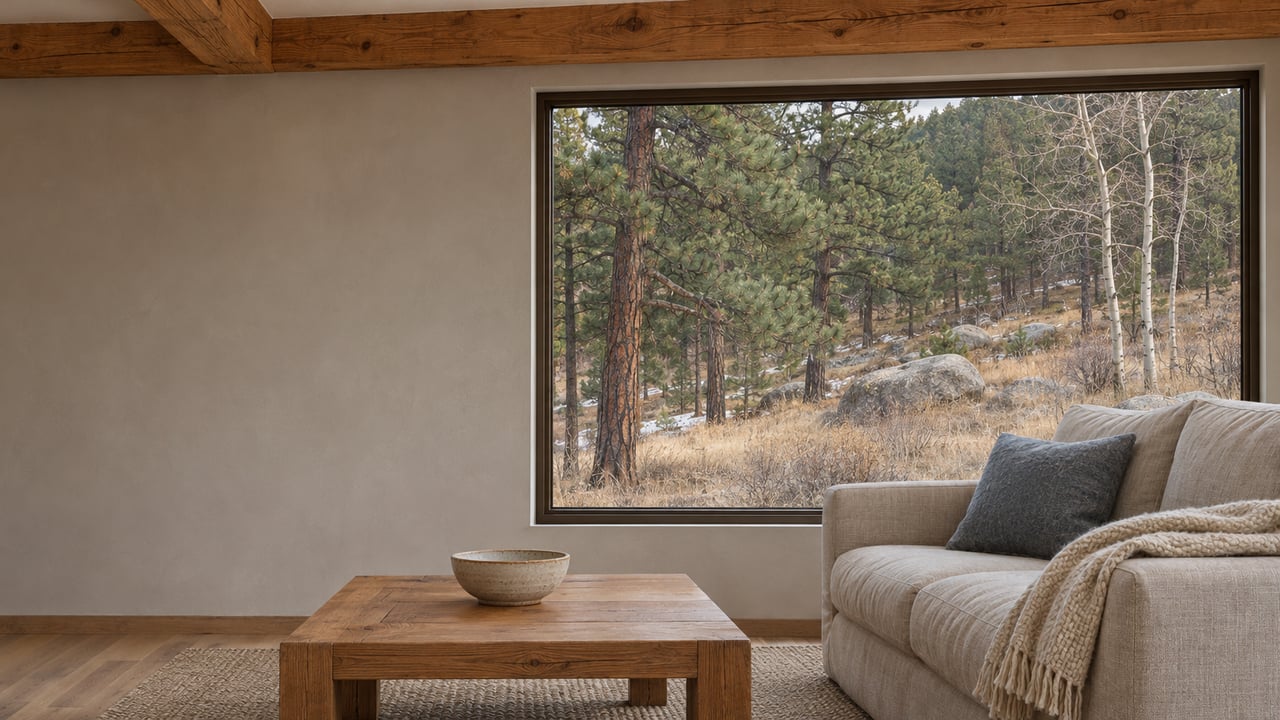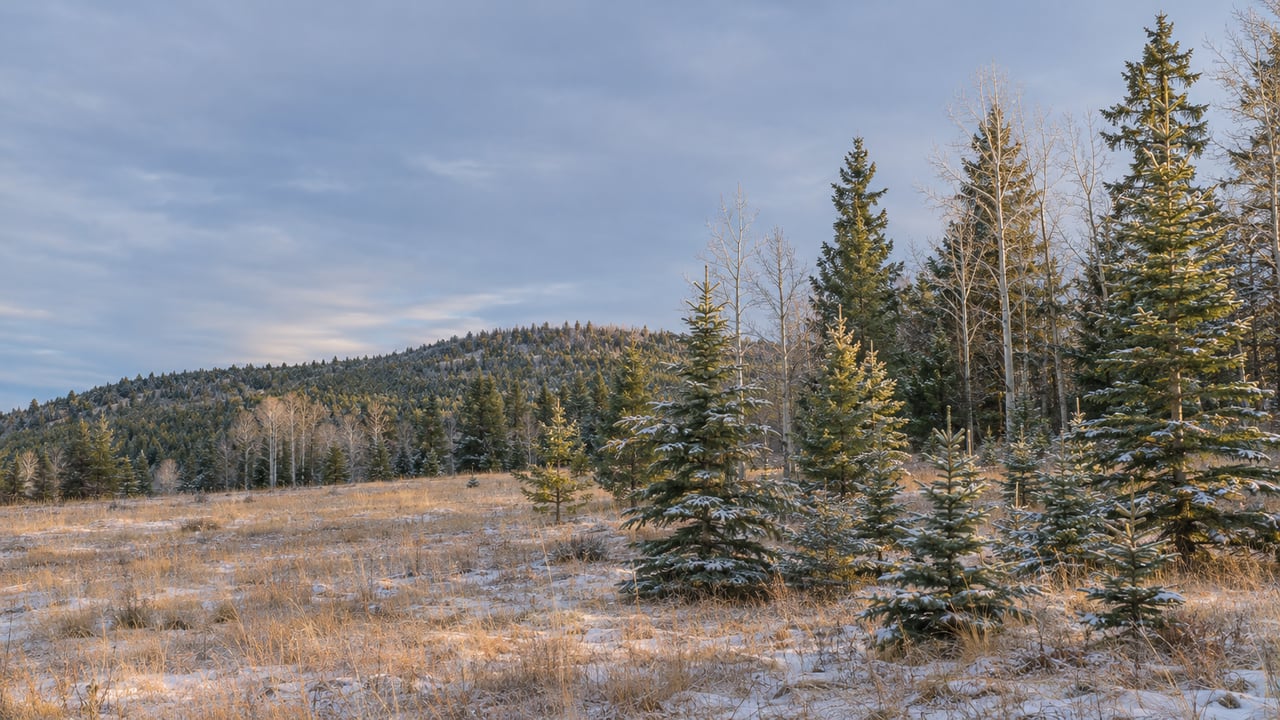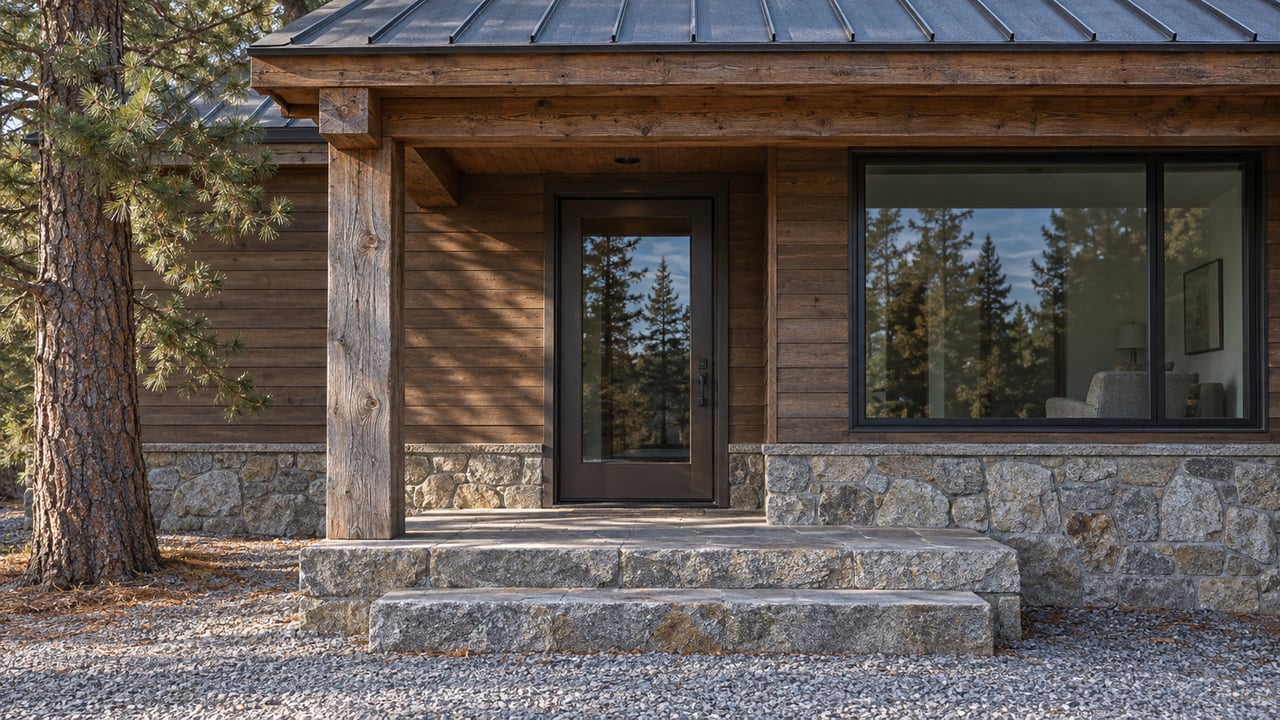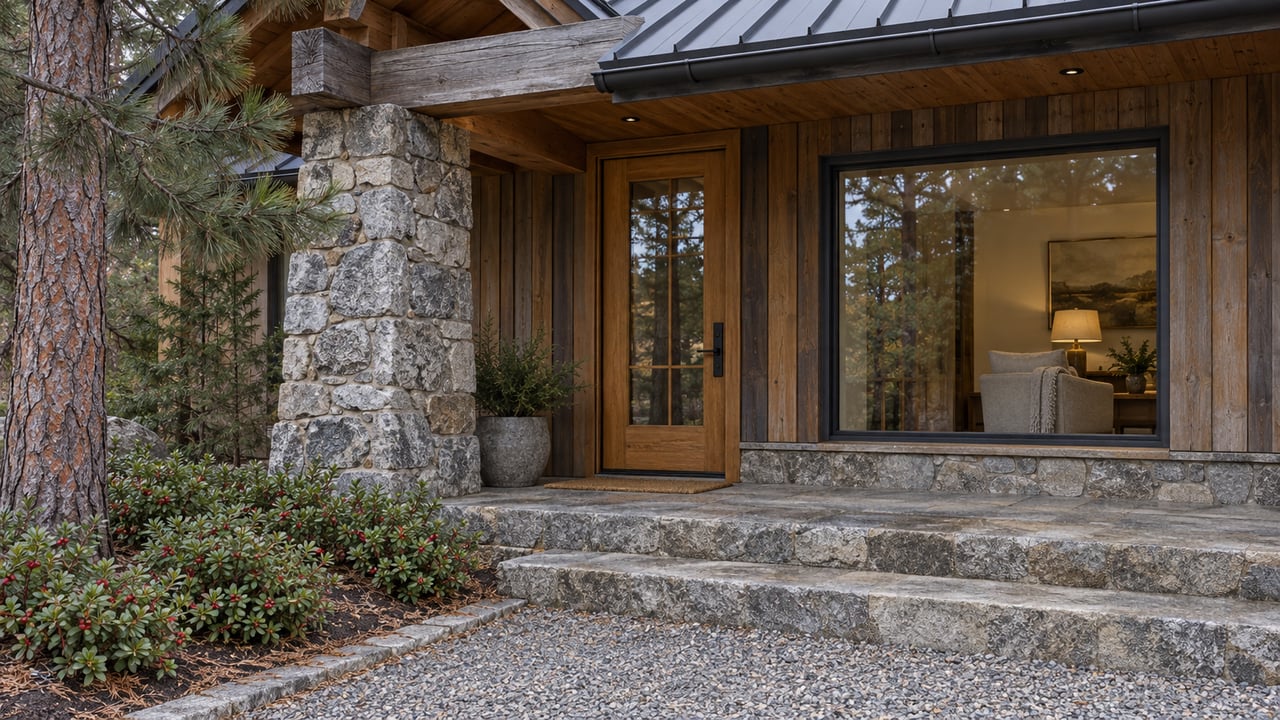
Dreaming about trading your weekend cabin for a full-time home in Bailey? You are not alone. For many buyers, Bailey starts as a peaceful escape and slowly becomes a place they can picture every day. If you are weighing that move, it helps to look beyond the view and think through lifestyle, access, property type, and year-round ownership. Let’s dive in.
Why Bailey Draws Cabin Buyers
Bailey sits in Platte Canyon about 40 miles west of Denver on U.S. 285, and Park County notes that it is about an hour from the heart of Denver. At roughly 7,700 feet above sea level, it offers the mountain setting many buyers want without feeling completely cut off from metro access.
That location is a big reason Bailey appeals to both weekend visitors and full-time residents. You can enjoy a mountain environment, more space, and a quieter pace while still keeping Denver within reach for work, errands, or travel.
What Cabin Life Feels Like in Bailey
Bailey’s charm comes from its balance of simplicity and functionality. According to Park County’s community profile, the area includes a general store, gas station, gift shops, a lumberyard, health services, restaurants, and access to the Park County Library nearby. The county also points to a large number of home-based businesses and cottage enterprises, which adds to the area’s independent, local feel.
You can also see Bailey’s long cabin history in its historic places. Park County’s Bailey area overview highlights sites like the Bailey Country Store, the Entriken Cabin, the Estabrook Historic District, and Glen-Isle Resort. Together, they reflect a long-standing identity built around cabins, homesteads, and mountain hospitality.
Community life is modest, but it is active. The Platte Canyon Area Chamber reports that Bailey now has a Visitors Center on Main Street, along with gathering places like the Bailey Community Center and Bailey Community Garden. If you are considering full-time living, those details matter because they show Bailey is more than a place to sleep between hikes.
Outdoor Access Is a Big Part of the Appeal
For many buyers, the lifestyle starts outside. The Platte Canyon chamber’s recreation guide highlights hiking, fishing, cross-country skiing, mountain biking, ATV use, camping, and year-round recreation. It also specifically mentions fly fishing on the Platte River and Wellington Lake, with Tarryall Reservoir and Cheeseman Lake nearby.
That kind of access makes Bailey especially attractive as a weekend base. Nearby trail systems add to that appeal, including the Brookside-McCurdy Trail, a major access point to Lost Creek Wilderness, and routes that connect hikers toward the Colorado Trail.
If you are thinking beyond weekend use, this is where expectations matter. The Forest Service says the Brookside-McCurdy Trail is open year-round, but weather can make access difficult, especially in winter and spring. In other words, Bailey can support four-season living, but the mountain lifestyle is still shaped by seasonal conditions.
Weekend Escape vs Full-Time Home
A cabin that works for two nights in July may not work as smoothly for daily life in January. That is often the biggest shift buyers need to understand.
When you use a property occasionally, you may tolerate a steeper driveway, less storage, older systems, or longer trips for supplies. When you live there full time, those same details can affect your routine, budget, and peace of mind.
A full-time-ready Bailey property often needs more than charm. It needs practical access, reliable systems, and a setup that supports your day-to-day life through every season.
Winter Is the Biggest Reality Check
Winter conditions in Park County are a serious part of ownership planning. Park County states that winter lows can drop more than 20 degrees below zero. The county also notes that many roads can be snowed in for several days because of frequent strong winds.
Road maintenance is another key issue. Park County says some remote county roads may be graded only once a year or not at all, and snow removal on lower-priority roads is considered a courtesy rather than a guarantee. That means your experience of full-time living may depend as much on the road as the house.
This is especially important if a property sits on a private road or in a subdivision outside the county road system. Park County’s development guidelines note that the county does not maintain private roads or subdivision roads outside the county system. Before you buy, it is smart to understand exactly who maintains access and what winter conditions typically look like.
What to Check Before Going Full-Time
If you are thinking about converting a weekend cabin into a year-round home, focus on the basics first. Mountain properties can be wonderful, but they also ask more of owners.
Key items to review include:
- Road access: Is the property on a county-maintained road, private road, or shared driveway?
- Driveway conditions: Park County requires driveway permits, and owners are responsible for building and maintaining driveways and parking areas according to county guidance.
- Septic and well readiness: Park County’s development checklist says building permits do not move forward until septic requirements are met, a well permit is secured before drilling, and well water testing is recommended.
- Snow and wind design: New residential and solar structures must meet location- and elevation-based snow and wind load standards under current county requirements.
- Wildfire planning: The county also urges buyers to think about wildfire risk and defensible space around structures.
These are not small details. They often shape whether a property feels easy to own or unexpectedly demanding.
Bailey Has More Than One Price Point
One of the most helpful things to know about Bailey is that it is not a one-size-fits-all market. Inventory spans rustic cabins, smaller homes, vacant land, larger acreage properties, and homes designed for full-time use.
Recent market sources show a broad but fairly consistent range. Zillow reports an average home value of $545,138 as of February 28, 2026, while the research report also notes a $575,000 median sale price from Realtor.com and a $611,000 median sale price from Redfin. Even with slight differences by source, the bigger takeaway is that Bailey includes entry-level cabin options as well as much higher-end properties.
At the lower end, the research report cites cabin units in the 57920 U.S. 285 complex selling in a range of roughly $229,000 to $367,000, with one unit selling for $278,000 after being marketed as a weekend getaway, work-from-home escape, or rental opportunity. The report also notes active Bailey listings that include land around $338,000 and houses in the roughly $350,000 to $400,000 range.
At the upper end, Bailey also includes riverfront and acreage properties far above the median. The main point is simple: your options may range from a compact cabin retreat to a larger home that is much better suited for year-round living.
How to Match the Property to Your Goal
If your main goal is a personal escape, a simpler cabin might be the right fit. You may care most about trail access, privacy, views, and a lower entry price.
If you want to live in Bailey full time, your criteria may shift. You might prioritize dependable access, storage, parking, room to work from home, easier maintenance, and systems that can handle winter without constant attention.
This is where local guidance can make a real difference. Two properties with similar square footage can live very differently in the foothills depending on road access, exposure, utilities, and site conditions.
Signs a Bailey Cabin Could Work Full Time
Some cabins transition surprisingly well into full-time homes. Others remain best as occasional escapes.
Here are a few signs a property may be better suited for daily living:
- Reasonable year-round access from U.S. 285 or other maintained routes
- A driveway and parking area that look manageable in snow
- Septic, well, and utility setups that support steady use
- Storage for gear, tools, and seasonal supplies
- Layouts that support remote work or daily routines
- Exterior conditions and site planning that reflect snow, wind, and wildfire realities
A property does not need to be large to work well full time. It does need to support the way you actually plan to live.
Why Local Expertise Matters in Bailey
In mountain markets, the listing photos are only part of the story. You also need to understand how a property functions in real life.
That includes questions about access, land use, driveway practicality, and the difference between a charming getaway and a house that works every week of the year. In a place like Bailey, that local context can help you avoid expensive surprises and focus on homes that truly fit your goals.
If you are exploring cabin life in Bailey, whether as a second home or a full-time move, working with someone who understands mountain properties can make the process much clearer. When you are ready to talk through cabins, acreage, land, or full-time homes in Bailey and the surrounding foothills, connect with Trang Janick.
FAQs
What is Bailey, Colorado like for full-time living?
- Bailey offers a mountain setting about an hour from the heart of Denver, with local businesses, community gathering spaces, and strong access to outdoor recreation, but full-time living also means planning for winter weather, road access, and property systems.
What should buyers know about winter in Bailey, Colorado?
- Park County says winter lows can fall more than 20 degrees below zero, roads can be snowed in for several days, and lower-priority snow removal may not be guaranteed, so winter access is one of the most important things to evaluate before buying.
What types of homes are available in Bailey, Colorado?
- Bailey includes a wide mix of properties, from rustic cabins and smaller homes to vacant land, larger acreage parcels, and higher-end riverfront or estate properties.
Is Bailey, Colorado a good place for a weekend cabin?
- Bailey is popular for weekend use because of its mountain setting and access to hiking, fishing, cross-country skiing, biking, ATV routes, camping, and nearby wilderness trailheads.
What should buyers check before converting a Bailey cabin into a full-time home?
- Buyers should review road maintenance, driveway conditions, septic requirements, well permitting, water testing, snow and wind load standards, wildfire considerations, and defensible space before making the move to full-time ownership.