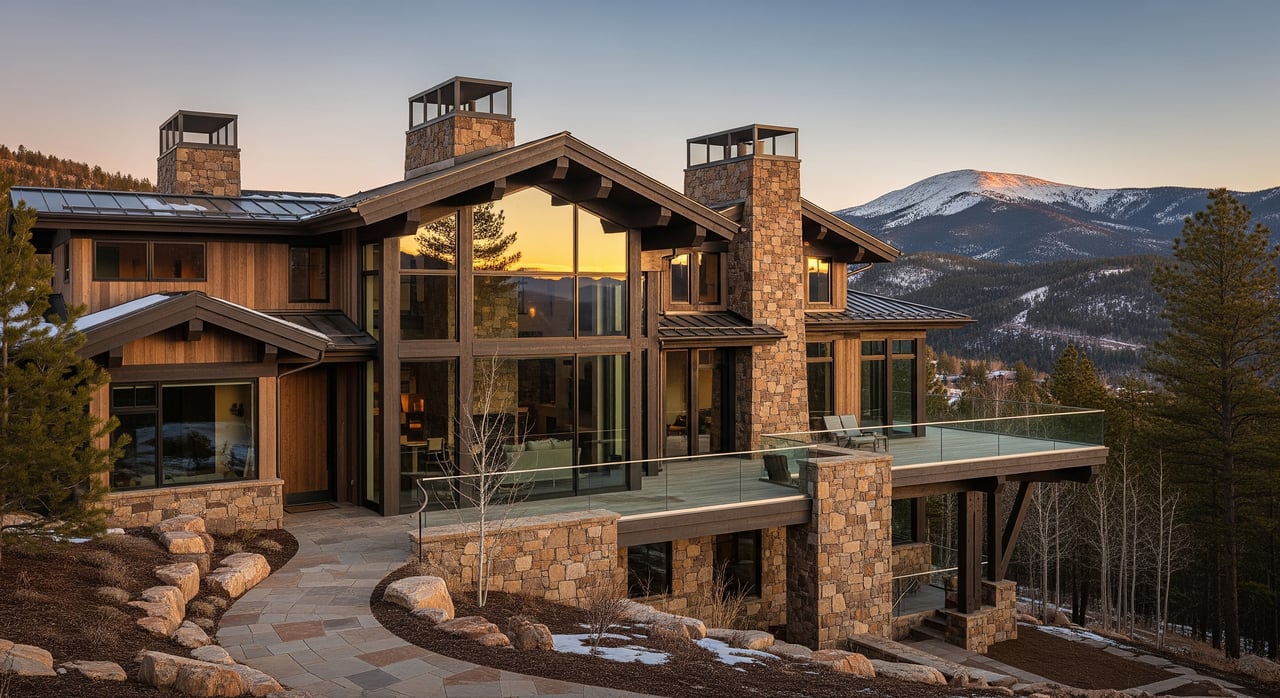
Thinking about a mountain home in Evergreen but not sure how this market works? You’re not alone. The foothills have their own rhythms, pricing factors, and logistics that look different from Denver or the suburbs. In this guide, you’ll learn how to read Evergreen housing data, what truly drives price and days on market, and the steps to take before you tour. Let’s dive in.
Evergreen market basics to track
If you want an edge, start with the right data. Ask your agent to pull current and rolling 12-month trends for Evergreen and nearby foothills. Focus on:
- Median sale price and average sale price by month or quarter
- Active, new, and pending listings
- Days on market (DOM), including the distribution and outliers
- Months of inventory (MOI) or absorption rate
- Sale-to-list price ratio
- Price per finished sq ft for comparable single-family homes
- Inventory by property type: single-family, townhome/condo, vacant land
- Cash vs. financed purchases, if available
- New construction vs. resale share
Use rolling 12-month and year-over-year comparisons to smooth seasonality. Compare like-for-like homes: similar lot size, elevation band, view quality, and year built. In a market with a few high-end sales, the median is usually more reliable than the average.
Helpful rule-of-thumb thresholds
- MOI under 3 often signals a seller’s market. 3 to 6 is more balanced. Over 6 leans buyer’s market.
- Sale-to-list over 100% suggests overbidding and competition. 95% to 100% is common in balanced conditions.
- Favor 3-month and 6-month rolling averages to spot trend shifts rather than reacting to one-month spikes.
Seasonality in Evergreen foothills
Seasonality is strong in mountain markets. Understanding timing helps you set expectations and avoid misreading days on market.
- Spring (Mar–May): Inventory rises and buyers get active as weather improves. Many sellers plan listings for this period.
- Early summer (Jun–Jul): Often the peak for viewable inventory and showings. Scenic properties show best in summer.
- Late summer–fall (Aug–Oct): Activity remains healthy but cools. Foliage and sun exposure become selling points.
- Winter (Nov–Feb): Listings dip and DOM often increases. Fewer casual showings, but serious buyers keep searching.
Remember: longer DOM in winter doesn’t always mean a home is less desirable. It can reflect fewer showings and holiday timing rather than property quality.
Property types and price buckets
Evergreen offers a wide range of home styles and lot types. Think in terms of property type and “price buckets” as you plan.
- Older cabins and bungalows: Cozy, sometimes smaller. May need updates and often have limited views.
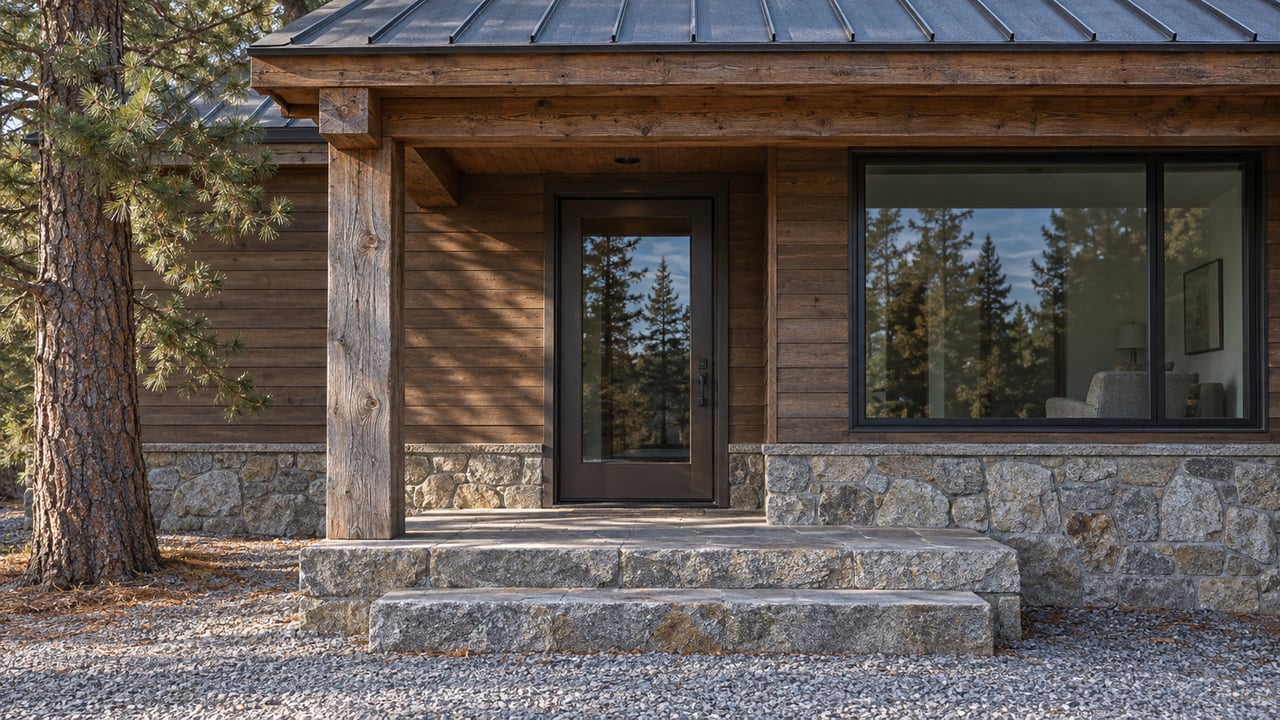
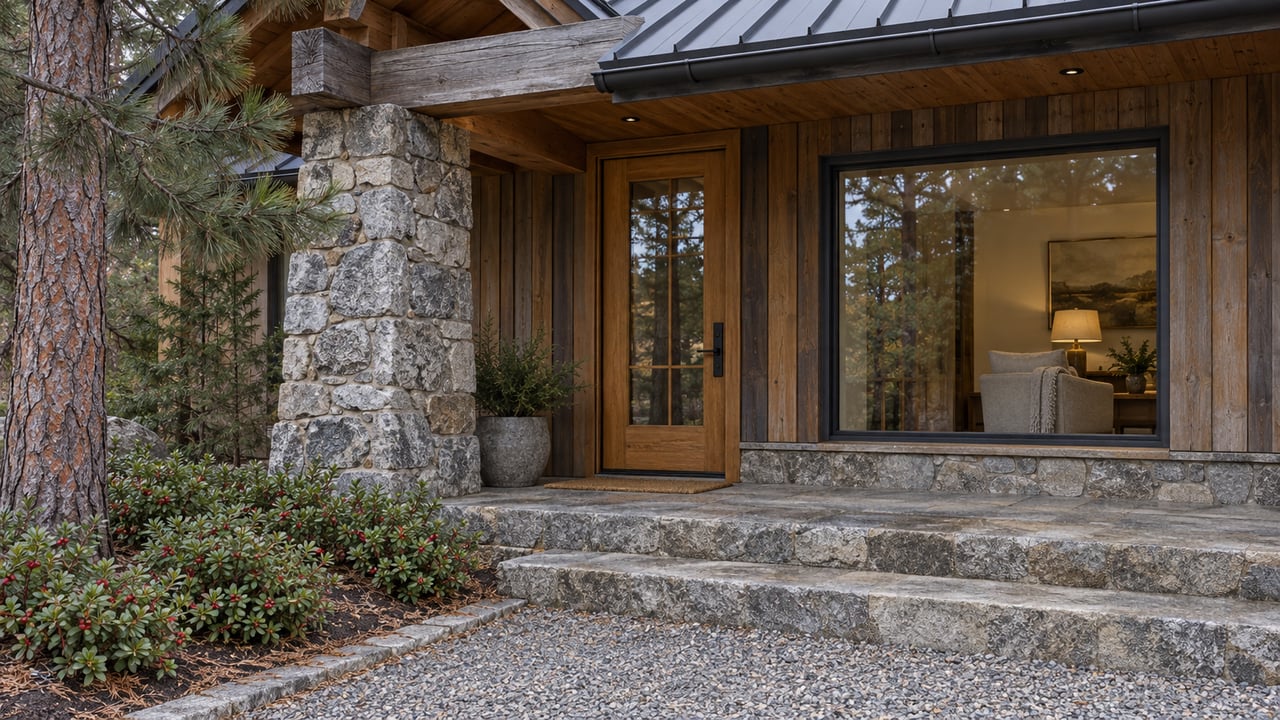
- Modern mountain and custom homes: Premium finishes, engineered foundations, and more contemporary layouts.
- Townhomes and condos near downtown or creek corridors: Lower maintenance and convenient locations.
- Vacant land: Development feasibility depends on utilities, access, driveway grades, and septic/well.
Buyer buckets
- Entry-level: Smaller cabins, condos, and townhomes. Expect trade-offs on finishes, size, or views.
- Mid-market: Single-family homes with moderate lot sizes and some seasonal or partial views.
- Upper-market/luxury: Custom homes with larger lots, dramatic views, and high-end finishes. Seasonality can be more pronounced.
- Vacant land: A separate category with added complexity and cost beyond the land price.
Mountain value drivers that move price
Views
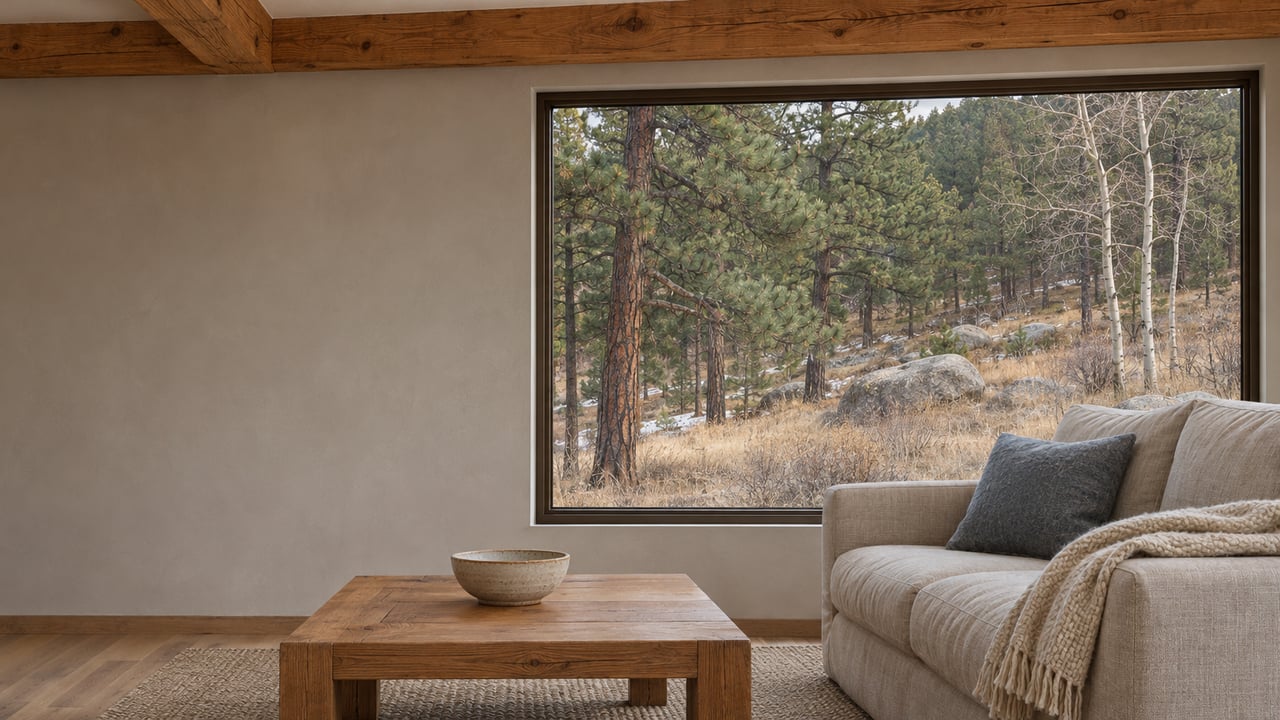
Views are a principal value driver. Full panorama or long valley views often command premiums. Partial or filtered views add less. Appraisers and buyers weigh views differently, so strong comps that document view lines matter.
Sun exposure and orientation
South-facing lots get more winter sun and feel brighter in colder months. Sun exposure affects energy use, snow melt, and how usable outdoor spaces feel in winter.
Road access and driveway grade
Year-round, plowed, paved access with modest grades is preferred. Long or steep private driveways raise maintenance costs and can limit buyer interest. Clarify who handles snow removal and typical costs.
Elevation and microclimate
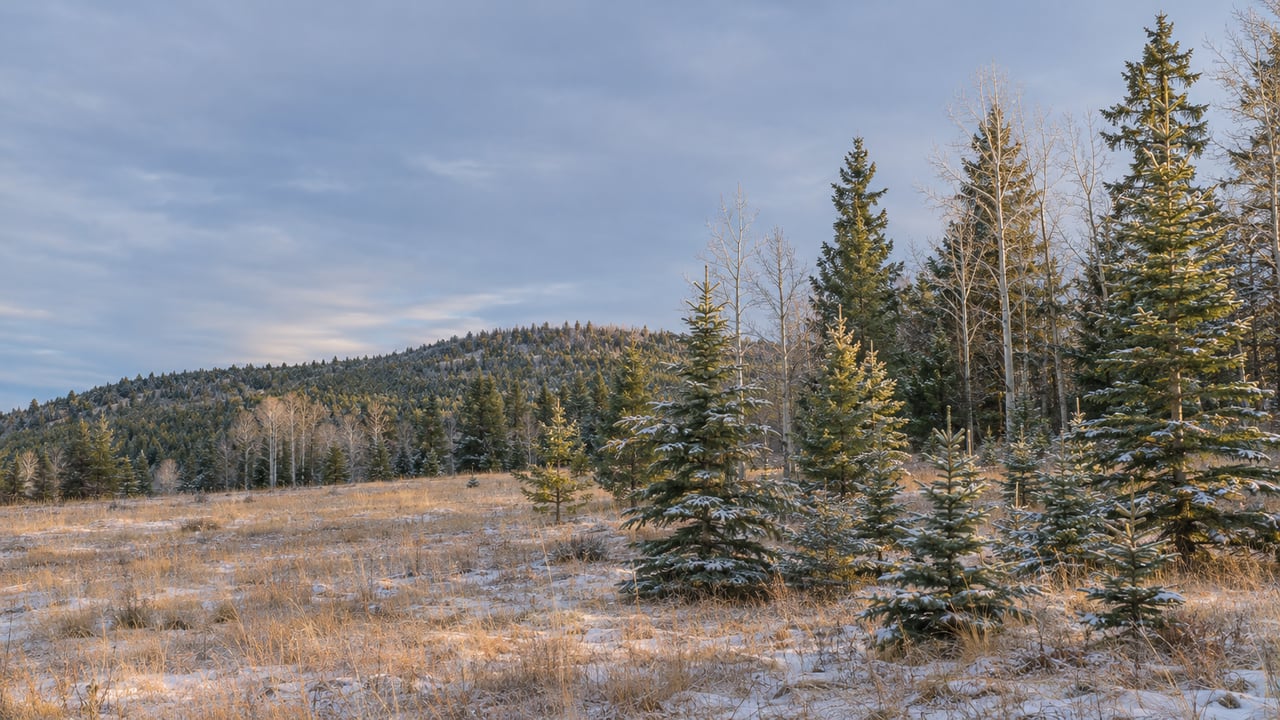
Higher elevation can mean more snow, colder temps, and different vegetation. That affects heating costs, landscaping, and accessibility. Microclimates vary by hillside and valley.
Utilities: municipal vs. well and septic
Municipal water and sewer simplify ownership. Wells and septic add inspection steps and future replacement costs. For land, utility availability is often the gatekeeper for financing and feasibility.
Wildfire risk and defensible space
Wildfire exposure can influence insurability and premiums. Properties with mitigation, defensible space, or FireWise participation are typically more marketable. Get insurance quotes early in your search.
Privacy, trees, and lot size
Tree cover and larger lots offer privacy and a classic mountain feel, but they also increase maintenance and wildfire considerations. Buyers balance aesthetics with upkeep.
Access to services and commute
Proximity to Evergreen’s town center, groceries, medical services, and commuter routes to Denver/Boulder can affect demand and DOM. Longer, steeper commutes may reduce the buyer pool.
How to read Evergreen data and set expectations
Start with a 12-month view for your target areas and property types. Ask for neighborhood-level snapshots rather than relying on broad county data. Then narrow your search using filters and a comp set that reflects mountain realities.
Pre‑tour data checklist
- Pull 12-month trends for median sale price, DOM, MOI, and sale-to-list ratio for the neighborhoods and property types you want.
- Ask for sold comps that match view status, lot size, elevation band, utilities, and road access from the last 90 days. In slower periods, extend to 180 days.
- Obtain sample insurance quotes for specific addresses and review wildfire risk and mitigation status.
- Confirm utilities: municipal water/sewer vs. well/septic, and note any HOA rules or covenants.
- Get pre-approval from a lender experienced with mountain properties and appraisals in Jefferson County.
MLS search filters that help
- Property type: single-family, condo/townhome, or vacant land
- Minimum lot size (for example, 0.25 or 0.5 acres), depending on your goals
- Custom Evergreen polygon or elevation band, or distance from main highways
- Access indicators: paved driveway, maintained roads, or 4WD notes in listing remarks
- Utilities: public water/sewer vs. well/septic
- View keywords: panoramic, mountain, Front Range, valley
- DOM ceiling for active homes, such as under 120 days
Interpreting DOM and seasonal spikes
Longer DOM can reflect winter listing timing or a price that is slightly out of step with recent comps. Review the price history and any reductions. For winter listings, check whether a home was withdrawn and relisted, which can distort the DOM story.
Offer and contingency strategy
- Show a strong pre-approval and consider a local lender contact to reduce financing friction.
- Keep an inspection contingency, but you can shorten appraisal or inspection timelines in low-inventory stretches if you’re confident.
- Add specific contingencies for access, well yield, septic certification, or driveway passability when needed.
- For land, include feasibility studies: geotechnical, septic, utility access, and permitting.
Appraisal and valuation tips
- Provide the appraiser a focused comp package that aligns on views, lot grade, utilities, and year built.
- Document upgrades and note any deferred maintenance to support adjustments.
- Expect appraisers to weigh view quality, lot usability, and access heavily.
Timing and touring logistics
- Winter showings may require flexible schedules for snow and driveway conditions.
- Ask about parking, shoe/gear protocols, and whether a property requires 4WD for showings.
- Allow extra time for inspections on steep or icy lots.
Financing and inspection notes
- Lenders and appraisers look closely at unique features and low-volume comps. Be ready for tighter appraisal reviews on homes with dramatic views or steep lots.
- Condos and townhomes may require deeper HOA documentation and reserves review.
- Vacant land often needs larger down payments and may involve construction loans with more steps.
- Inspections should address driveway grade and surface, roof age, chimney/fireplace safety, insulation and heating systems, foundation on sloped lots, well/septic testing where applicable, and any access easements.
Practical buyer checklist
Use this quick list as you prepare for Evergreen showings:
- Pull recent solds from the last 90 to 180 days that match view quality, lot size, utilities, and access.
- Ask listing agents who clears snow and what winter drive conditions are like.
- Confirm municipal water/sewer versus well/septic and plan for inspection and possible replacement costs.
- Get insurance quotes early and check wildfire mitigation status.
- Review seasonal DOM effects and rely on rolling 12-month trends for pricing expectations.
- Remember that appraisal and financing for unique features may require extra time and a local lender’s expertise.
Work with a mountain-area specialist
Buying in Evergreen is about more than the house. It is about access, sun, views, utilities, and how all those elements come together for daily life. A local guide helps you read the data and avoid surprises during inspections, appraisal, and insurance.
As a Certified Mountain Area Specialist, I pair neighborhood-level knowledge with a service-first approach that keeps your search focused and efficient. If you want a thoughtful plan for timing, value, and logistics in Evergreen and the surrounding foothills, let’s talk. Connect with Trang Janick to get started.
FAQs
Are Evergreen mountain homes more expensive to insure?
- Not always. Wildfire exposure, distance from fire services, and older construction can increase premiums. Get quotes early in your search.
Should I avoid homes with steep private driveways in Evergreen?
- Not necessarily. Evaluate the snow maintenance plan, driveway surface and pitch, emergency access, and your comfort with winter driving.
How much do views add to price in Evergreen?
- It varies widely. Premiums depend on view type, privacy, and comparable sales with similar views. Appraisers adjust based on recent, like-for-like comps.
Is buying vacant land in Evergreen a good idea?
- It can be, but costs for driveway construction, utilities, septic/well, geotechnical work, and permits often exceed the land price. Get feasibility studies before you commit.
Is winter a bad time to buy in Evergreen?
- Not necessarily. DOM often rises in winter due to seasonality, but serious buyers who wait for spring can face more competition. If a winter listing is well priced and fits your needs, it can be an advantage.