If you picture Pine living as wide-open views, quiet acreage, and room for horses, you are not wrong. But in the foothills, the lifestyle also comes with practical details that matter just as much as the scenery. If you are thinking about buying or selling horse property in Pine, it helps to understand how zoning, access, water, septic, and wildfire planning shape daily life. Let’s dive in.
Why Pine Appeals to Horse Buyers
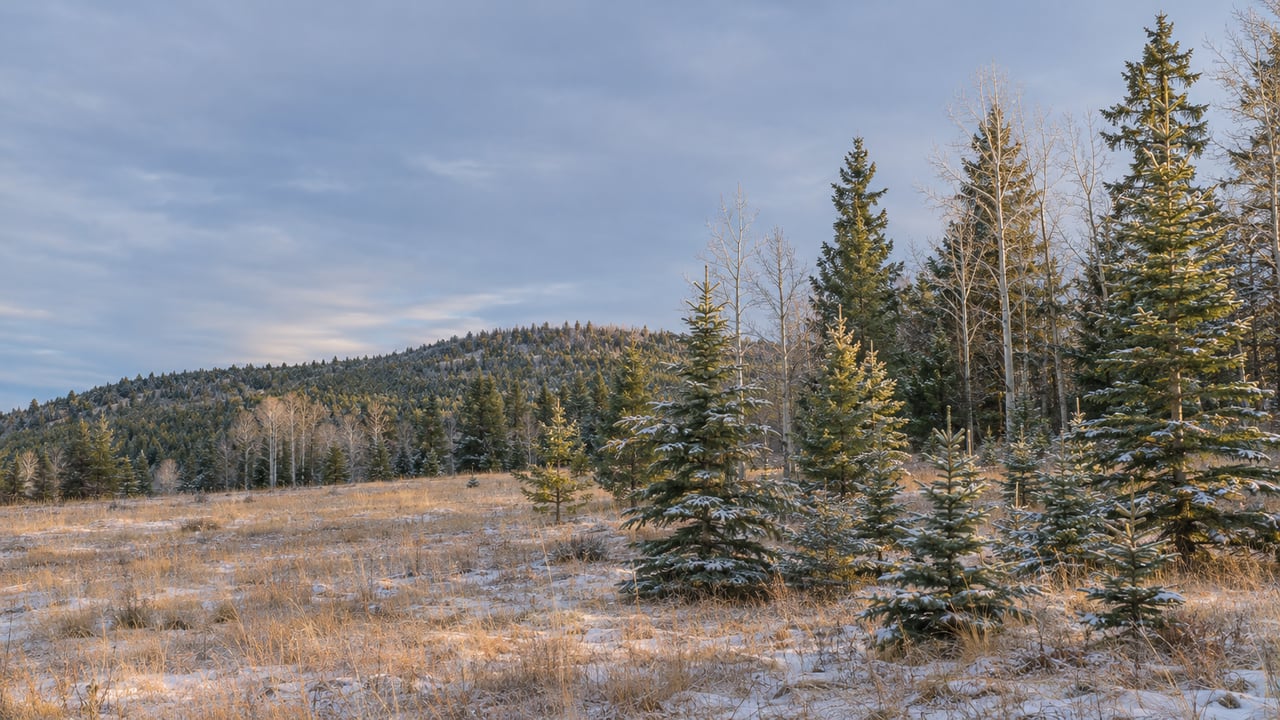
Pine offers a blend of rural living and outdoor access that draws buyers looking for more space. Jefferson County describes its foothills and mountain lands as forested, wildlife-rich, and actively managed for wildfire risk and forest health.
For horse owners, recreation is part of the appeal. Staunton State Park is in Pine and allows horses, with horseback riding available on many park trails. Nearby, the Buffalo Creek Recreation Area connects trail systems across public lands, including access linked to Pine Valley Ranch Park through Buck Gulch Trail.
That setting can feel like the best of both worlds. You get the privacy and pace of foothills living, along with nearby places to ride and explore. At the same time, each parcel needs to function well for animals, vehicles, and year-round ownership.
Zoning Shapes What You Can Do
One of the biggest questions buyers ask is simple: can you keep horses on the property? In unincorporated Jefferson County, large animals are allowed in several zone districts, including R-1, MR-1, MR-2, SR-1, SR-2, SR-5, A-1, A-2, and A-35, along with some Planned Development parcels.
That does not mean every parcel works the same way. Jefferson County’s domestic animal table shows that some residential districts require 9,000 square feet of open lot area for the first animal and 6,000 square feet for each additional animal, with a cap of four animals per acre. In agricultural districts, there is more flexibility once the minimum lot size is met.
This is why acreage alone does not tell the whole story. A property may look horse-friendly, but the actual allowance depends on the zone district and lot size. Before you move forward, it is smart to confirm zoning through Jefferson County’s public jMap tool or by contacting Planning & Zoning.
Covenants Can Matter Too
County zoning is only one layer. Jefferson County’s large-animal guidance notes that private covenants may also apply, even when zoning would otherwise allow animals.
That means a buyer should review both public rules and private restrictions early in the process. For sellers, it also helps to be ready with clear information about zoning and any known covenant limitations so buyers can evaluate the property with confidence.
Barns, Fences, and Access Need a Closer Look
Horse properties often involve more than the house itself. Outbuildings, fencing, corrals, and access points all affect whether a parcel works well for your plans.
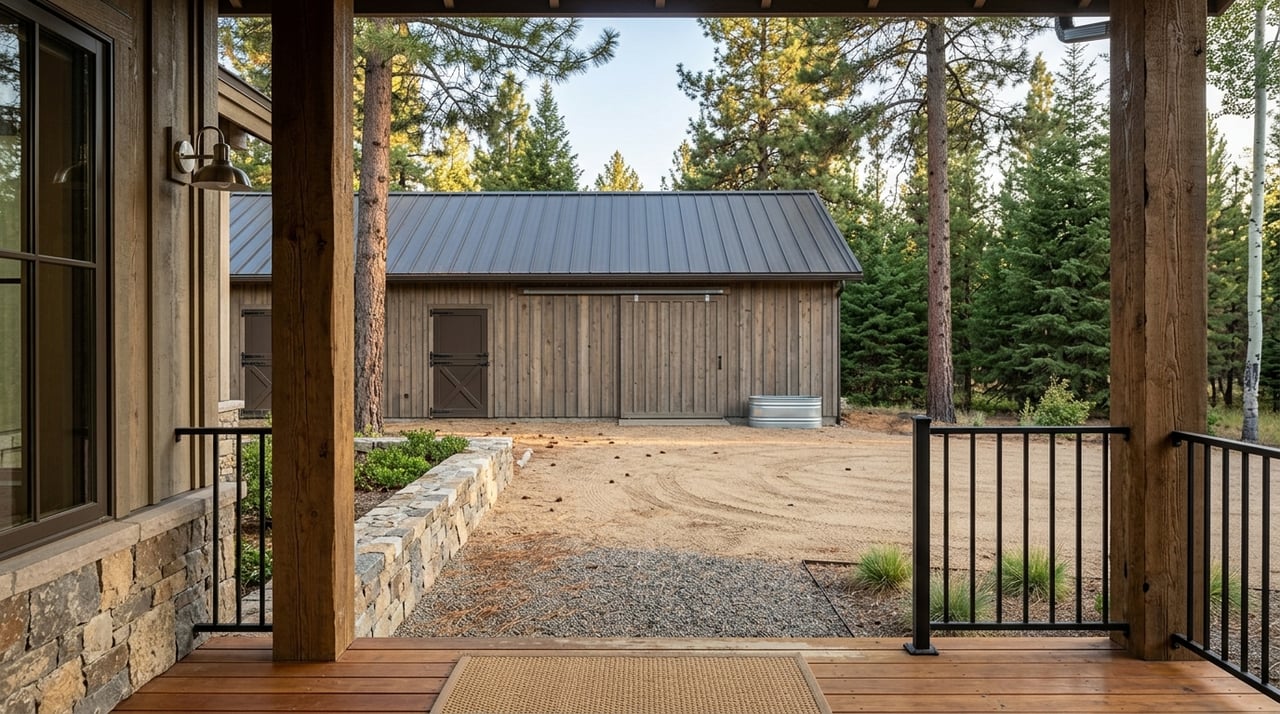
Jefferson County says barns require a building permit and must meet setback and height rules. In residential zone districts, a house must already exist before a barn can be added. Barns also cannot be used as a general garage or unrelated storage structure.
That catches some buyers by surprise, especially if they are considering vacant land or planning improvements in stages. If your goal is to add horse facilities, timing and zoning matter from the start.
Fence Rules Are Not One-Size-Fits-All
In unincorporated Jefferson County, fences no longer need a permit, but gates do. Even without a fence permit requirement, both fences and gates still have to comply with zoning rules.
There are also special standards for certain animals. Jefferson County requires stallions and bulls to be kept in a pen, corral, or run enclosed by a six-foot chain-link fence or equivalent material.
Driveway Access Matters for Trailers
A beautiful parcel can still create headaches if access is tight. New driveways or changes to access points on county-maintained roads require an access permit in Jefferson County.
For horse owners, that is especially important because you may need enough room for trailers, hay delivery, service vehicles, and emergency access. It is worth thinking through how the property functions, not just how it looks on a showing.
Daily Horse Property Maintenance in Pine
Owning acreage in the foothills usually means more hands-on upkeep. With horses, that routine gets more specific.
Manure management is one example. Jefferson County says manure cannot accumulate in a way that creates a health or safety hazard, and stored manure must follow setback rules.
This is one of those details that affects how a property lives day to day. A usable setup needs enough room not only for animals, but also for feed, storage, turnout, and maintenance.
Septic Systems Need Protection
If the property has an onsite wastewater treatment system, horses and cattle can create problems when they cross or stand on sensitive parts of the system. Jefferson County notes that livestock can compact an absorption bed and damage pipes, and it recommends fencing the OWTS off if it sits in a pasture.
That makes site layout especially important on horse property. You want to understand where the septic system is located and how pasture, corrals, and turnout areas interact with it.
For sellers, septic also matters during a sale. Jefferson County says most home sales involving a septic system require a county use-permit process, and the system usually must be inspected before transfer.
Well Water Can Be Part of Due Diligence
Some Pine properties rely on private wells. In Jefferson County, raw-water testing for bacteria and nitrates is required before a construction, repair, or use and transfer permit is issued.
For buyers, this is part of understanding the property’s infrastructure, not just the home itself. For sellers, having records organized can help the process feel smoother and more predictable.
Wildfire Planning Is Part of the Lifestyle
In Pine, wildfire readiness is part of responsible ownership. Jefferson County says foothills forests are affected by wildfire, habitat fragmentation, pests such as mountain pine beetle, and changes in precipitation.
That does not mean horse property is not a great fit here. It means you should approach ownership with a clear plan for readiness, maintenance, and emergency response.
Jefferson County encourages residents to sign up for alerts and closures. The county also posts large-animal procedures at the fairgrounds and lists horse evacuation resources, including the Jefferson County Horse Council and the Jefferson County Horse Evacuation Assistance Team.
Wildlife and Habitat Add Another Layer
Because many Pine properties sit in a wildlife-urban interface, fencing and land use may involve more than just convenience. The foothills setting brings regular wildlife activity, so property owners often need to think carefully about how animals, fencing, and the natural landscape interact.
This is part of what makes foothills ownership different from suburban ownership. The land is a major part of the property’s value, but it also asks more of you in planning and stewardship.
What Buyers Should Check Before Making an Offer
If you are shopping for horse property in Pine, it helps to evaluate each parcel in a practical order. Beyond the home itself, the key question is whether the property works for your intended use.
A strong due diligence checklist often includes:
- Confirm the zone district and allowed animal use
- Review lot size and animal-count limits
- Check for private covenants or HOA restrictions
- Verify barn, corral, and fence compliance
- Evaluate driveway and trailer access
- Locate the septic system and understand pasture layout
- Ask whether the property uses a private well
- Consider wildfire readiness and evacuation planning
When buyers skip these details, the foothills lifestyle can feel more complicated than expected. When you check them early, you can move forward with much more clarity.
What Sellers Can Do to Stand Out
If you are selling a horse or acreage property in Pine, buyers often have very practical questions. They want to know not just what is beautiful, but what is functional.
Clear information can make a real difference. Zoning details, access notes, septic records, well information, and any known improvements to barns or fencing can help buyers understand the property faster.
Presentation matters too, especially with lifestyle properties. Acreage, riding setup, outdoor space, and the relationship between the home and the land all deserve thoughtful marketing. In the foothills, strong visuals and clear local context help buyers connect the lifestyle to the property itself.
Why Pine Horse Property Requires Local Insight
Horse and acreage living in Pine can be incredibly rewarding, but it is rarely a simple plug-and-play purchase. The right property needs to work at several levels at once: zoning, access, infrastructure, and everyday usability.
That is why local guidance matters. When you understand how Jefferson County rules and foothills conditions show up in real properties, you can make better decisions and avoid expensive surprises.
Whether you are searching for the right parcel or preparing to sell a unique foothills property, a local, detail-oriented approach can make the process much less stressful. If you are thinking about buying or selling in Pine, Trang Janick can help you navigate the details with clear guidance and mountain-area expertise.
FAQs
Can you keep horses on small acreage in Pine?
- Yes. In unincorporated Jefferson County, some residential zone districts allow large animals on relatively small lots, but the exact number depends on the zone district and lot size.
Can you build a barn before a house on a Pine property?
- Usually not in residential zones. Jefferson County says a house must already exist before a barn can be built in residential zone districts.
How do you verify horse zoning for a Pine parcel?
- Jefferson County says buyers can use the public jMap tool or contact Planning & Zoning to confirm the zone district and allowed uses.
Do private covenants affect horse property in Pine?
- Yes. Jefferson County notes that private covenants may apply even when county zoning allows large animals.
What should buyers know about septic systems on Pine horse property?
- Jefferson County says horses and cattle can compact an absorption bed and damage pipes, so owners should understand system location and consider fencing the OWTS off if it is in a pasture.
Are there horseback riding trails near Pine?
- Yes. Staunton State Park in Pine allows horses on many trails, and nearby trail systems in the Buffalo Creek Recreation Area connect across public lands.
What wildfire planning matters for horse owners in Pine?
- Jefferson County encourages residents to sign up for alerts and closures and provides large-animal evacuation resources, including horse-related assistance information.
Do Pine horse properties need special driveway review?
- Often, yes. Jefferson County requires an access permit for new driveways or changes to access points on county-maintained roads, which is important for trailers and service access.