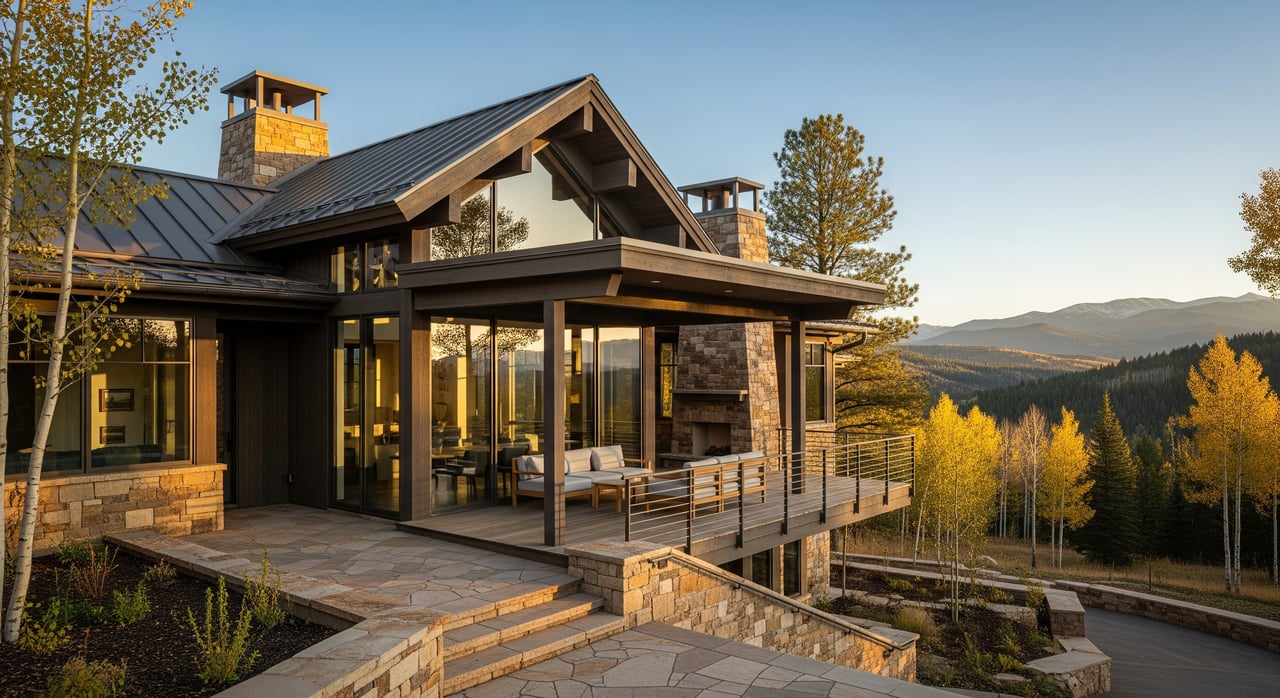
Craving mountain views without losing access to Denver? Buying in Conifer feels different from buying in the suburbs, and the details matter. You want privacy, space, and that foothills lifestyle, but you also want a smooth process and a smart investment. In this guide, you’ll learn how to prepare, what to look for on tours, and how to write a winning offer in Conifer’s low-inventory mountain niche. Let’s dive in.
Why Conifer’s market is different
Conifer is a foothills community with lower density and more micro-markets than suburban Denver. Homes near U.S. 285 often behave differently than higher-elevation or more remote parcels. Inventory can run low, so well-priced homes with views, usable land, or easy access often draw multiple offers, especially in spring, summer, and early fall.
Value is shaped by lot size and topography, year-round road access, driveway and garage usability, view corridors, solar orientation, septic and well condition, proximity to services, and wildfire risk or mitigation. Many Denver move-up buyers accept a longer commute for more space and privacy, which can make Conifer attractive when compared to some Denver neighborhoods.
Get mountain-smart financing
Conventional loans are common here, but lenders will look closely at mountain details such as septic and well systems, distance to comparable sales, and access. Get a full pre-approval from a lender experienced with mountain and acreage loans. That experience can make appraisals, underwriting, and documentation smoother.
Appraisals can be tricky when local comps are limited, which can affect your contingency strategy. Some lenders may require extra reserves or larger down payments for remote properties. Cash offers can help you avoid underwriting hurdles and may stand out in competitive situations.
Insurance can cost more in the foothills due to wildfire exposure and older construction. Get quotes early so your budget reflects the true monthly cost. Plan for well and septic inspections, and factor in propane, generator, or seasonal maintenance. Property taxes and special district assessments can vary across parcels, so review local records as you shop.
Quick pre-tour checklist
- Pre-approval from a lender who understands mountain properties
- A clear budget that includes higher insurance and maintenance
- Commute expectations and tolerance for winter driving
- Must-haves list, like year-round road access and manageable driveway grade
Tour like a local
When you preview homes in Conifer, focus on access first. Confirm whether the road is county-maintained or private, and who handles snow removal. Steep or switchback driveways may require 4WD in winter and frequent upkeep. Ask about shared driveways, recorded easements, and maintenance agreements.
Sun exposure and microclimates matter. South and west aspects tend to get more winter sun and passive heat gain. North-facing slopes or heavy tree cover can hold snow and ice longer. Visit at different times of day to see light, noise, and travel times.
Check utilities and on-site systems. Many properties rely on wells or community water systems, so review well yield, pump condition, and available well logs. Septic system type, age, permits, and drain field condition are critical. Confirm electricity reliability, cell coverage, and available internet options. Plan for propane delivery, storage, and whether a backup generator is practical.
Look at terrain for outdoor living potential. Steeper lots can deliver views but limit flat usable space for patios, play areas, gardens, or accessory buildings. Ask about any covenants, setbacks, or county guidelines that could affect expansion.
Evaluate wildfire risk, drainage, and environmental hazards. Look for defensible space and house-hardening improvements. Check for signs of runoff or erosion on steep slopes, and remember that valley or creek-adjacent parcels can fall within flood zones. Tour safely by downloading maps in case of weak cell service and bring footwear suitable for uneven terrain.
Craft a winning offer
Arrive prepared with a strong pre-approval and proof of funds for earnest money. In a low-inventory niche, clean offers with reasonable inspection timelines, thoughtful appraisal language, and flexible closings can help you stand out. Consider escalation clauses or higher earnest money to signal commitment, but balance that with the realities of appraisal risk.
Keep core contingencies in place unless you fully understand the risks. In the foothills, strongly consider septic inspections, well yield and water quality tests, roof and structural reviews, and an assessment of wildfire vulnerabilities. Ask for well logs, septic permits, and maintenance records.
Negotiate beyond price when it helps the seller. A flexible closing date or a short rent-back can solve timing hurdles. Credits for items like septic pumping or driveway work can be easier than repairs before close.
Plan for potential appraisal gaps in areas with few comps. Options include bringing extra cash, renegotiating, seeking a review or second appraisal, or walking away. Work with a team that understands foothills comps so your pricing is grounded.
Know when to step back. Red flags include no recorded road maintenance agreement on private access, unknown or poor well performance, septic systems that need replacement without clear cost estimates, high wildfire risk with little mitigation, or difficulty securing homeowners insurance.
Inspections to prioritize
- General home and structural inspection
- Septic inspection and review of permits and maintenance history
- Well inspection, yield testing, and water quality testing
- Roof and chimney inspection with attention to snow and ice loads
- Wildfire risk and defensible space assessment
- Driveway and access evaluation for winter feasibility
Close with confidence
Before closing, confirm title and easements for legal access, and any covenants that affect use. Ensure your insurance carrier can bind coverage, especially for homes with higher wildfire exposure. Plan utility transfers and membership steps for water systems or propane. If you are closing in late fall or winter, coordinate snow removal and final walk-through logistics.
After you move in, budget for periodic wildfire mitigation, road or driveway maintenance, septic pumping, and seasonal well checks. Some addresses use private trash services or transfer stations, so confirm service details and schedules while you plan your move.
Sample 6-step timeline
- Align your team: connect with a mountain-savvy lender and agent, and set your budget.
- Pre-tour prep: finalize must-haves, understand winter access, and gather insurance quotes.
- Touring: evaluate access, orientation, utilities, and terrain across several micro-markets.
- Offer: use competitive terms and keep smart contingencies.
- Under contract: complete septic, well, roof, structural, and wildfire assessments; review records.
- Closing and move-in: confirm insurance, utilities, access, and seasonal plans.
Budget reminders unique to Conifer
- Homeowners insurance adjusted for wildfire exposure
- Propane delivery and tank maintenance
- Backup generator purchase and upkeep if desired
- Seasonal snow removal and driveway maintenance
- Septic pumping and potential upgrades
- Well equipment checks and periodic water testing
- Ongoing fuels reduction and defensible space work
If you want a calm, step-by-step path to a foothills home, you do not have to figure it out alone. Connect with local expertise, clear communication, and a service-first approach. Reach out to Trang Janick to talk through your goals and start your Conifer search with confidence.
FAQs
How is buying in Conifer different from Denver?
- Expect lower inventory, more focus on wells and septic, driveway and road access checks, wildfire considerations, and potential appraisal challenges due to fewer nearby comps.
What inspections should I plan for on a Conifer home?
- Prioritize a full home inspection, septic inspection, well yield and water testing, roof and structural checks, and a wildfire risk and defensible-space review.
Can I finance a home with a well and septic in Conifer?
- Yes, conventional lending is common, but you should use lenders experienced with mountain properties and be ready for extra documentation and inspections.
How do I handle a possible appraisal gap in the foothills?
- Options include bringing additional cash, renegotiating price, seeking a review or second appraisal, or walking away if terms no longer fit your plan.
Why is year-round access so important in Conifer?
- Winter conditions can limit access, so you need to confirm plowing, driveway grade, and whether emergency and service vehicles can reliably reach the property.
Will wildfire risk affect my insurance and costs?
- Insurance can be costlier and sometimes harder to obtain, so get quotes early and confirm insurability before finalizing offer terms.