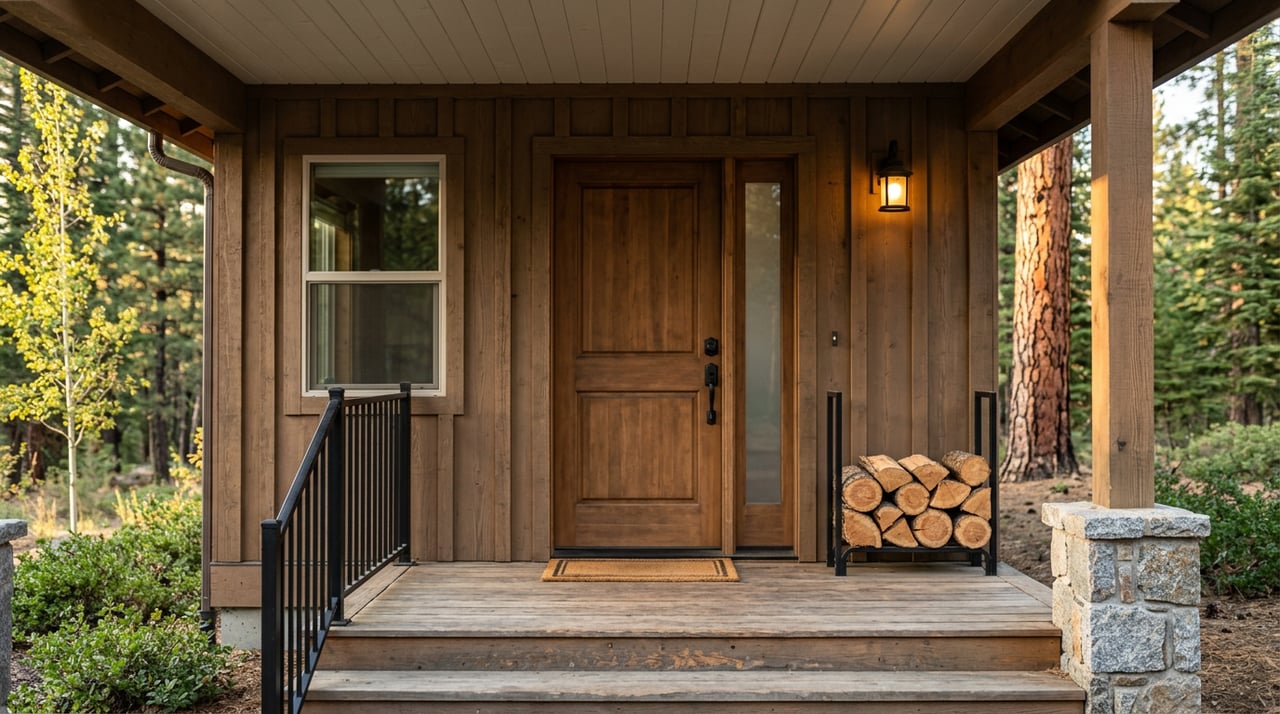
Thinking about selling your Pine cabin but not sure where to start? Today’s buyers want the mountain lifestyle plus confidence that key systems are safe, efficient, and documented. With a little planning, you can highlight what makes your place special while removing the friction that slows offers. This guide gives you a Pine‑specific checklist, smart staging tips, and the exact reports buyers expect so you can list with confidence. Let’s dive in.
What Pine buyers want right now
You are selling a foothills lifestyle as much as a home. Many buyers come from the Denver metro looking for weekend retreats, privacy, usable outdoor space, and reliable remote‑work setups. Local ZIP‑level summaries also point to a meaningful share of residents working from home and ongoing interest in second‑home properties in 80470. You can appeal to these buyers by showing turn‑key systems, strong internet options, and inviting outdoor living. Prop‑Metrics’ ZIP 80470 overview reflects these trends.
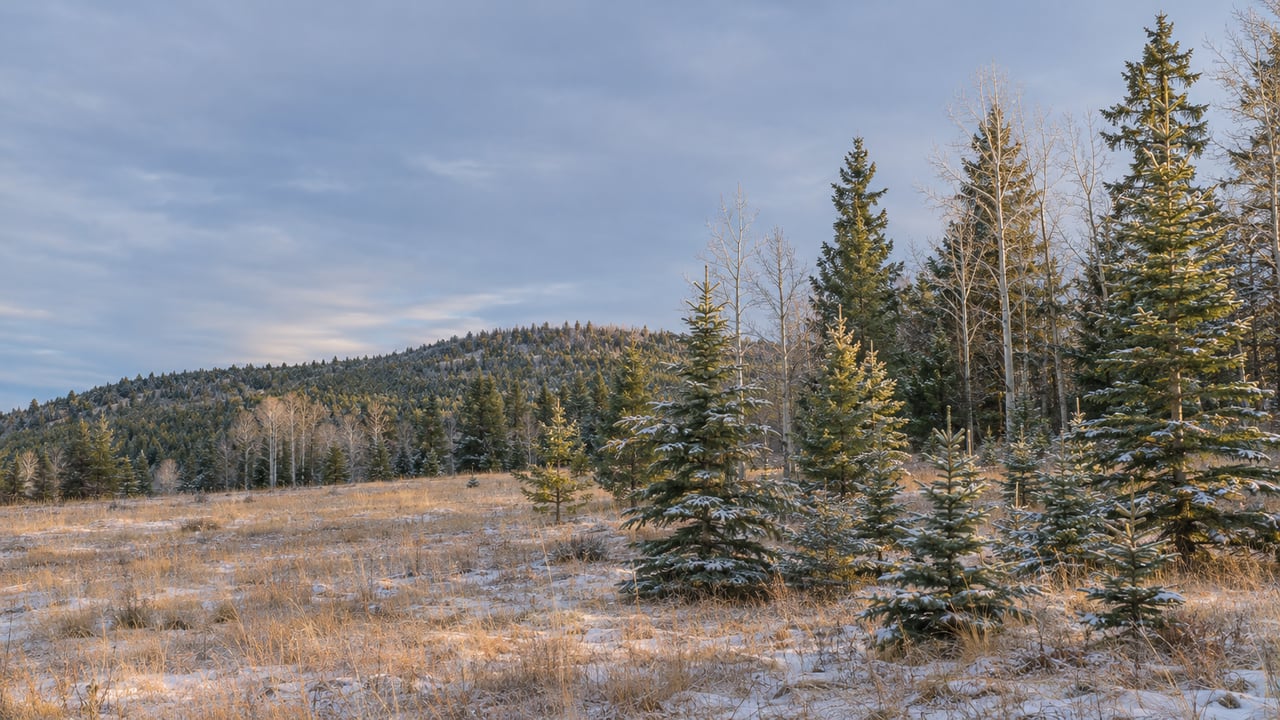
Seasonality matters in the mountains. Access and outdoor spaces show best in spring through early fall. If you plan to list in winter, focus on safe access and clear details about snow removal so buyers know how to visit and enjoy the property.
Start with safety and systems
Pre‑listing prep is not just touch‑up paint. Mountain buyers expect safe heating, clean water, a working septic, and clear disclosures. A pre‑listing inspection can flag issues early so you choose what to fix and what to disclose, instead of renegotiating under deadline. Learn how sellers use pre‑listing inspections to control their timelines in this overview of pre‑listing benefits.
Septic and higher‑level treatment (OWTS)
If your cabin uses an onsite wastewater treatment system, Jefferson County requires specific permitting. Some systems in foothills settings use Higher‑Level Treatment units that need routine service and an operations and maintenance contract. Gather your use permit, O&M contract, and recent service records so buyers see a system that has been cared for. Review county guidance on Higher‑Level Treatment systems.
Well water and required testing
For private wells, Jefferson County outlines testing requirements for water quality, including lab results for total coliform and nitrate in certain permit and transfer scenarios. Recent test results and any related service receipts help buyers feel confident about the water source. See the county’s mandatory well water testing requirements to plan your next steps.
Chimneys, wood stoves, and heating
If you have a wood stove or fireplace, buyers and insurers often want a current inspection. Industry guidance based on NFPA 211 notes that a Level‑2 inspection, which includes a camera scan and checks in accessible areas, is commonly requested when a property changes ownership. If your system has not been serviced recently, schedule a sweep and inspection and keep the receipts. You can reference NFPA 211 inspection levels when coordinating with a chimney professional.
Radon testing and mitigation
Colorado has higher radon potential than many states. The Colorado Department of Public Health and Environment recommends testing because many Colorado homes test at or above the EPA action level. Radon mitigation is common and usually straightforward, so offering a recent test or being ready to cooperate with buyer testing can speed negotiations. Learn more from CDPHE’s radon guidance.
Disclosures and documentation
In Colorado you will provide the Seller’s Property Disclosure and share known material facts. Strengthen your listing packet by attaching dated reports and receipts: well tests, septic use permits and pumping records, chimney and heating service, roof maintenance, and any permits. Clear, complete documentation builds trust and can reduce requests for concessions.
Make wildfire readiness a selling point
Pine sits in the Colorado foothills, where wildfire risk and defensible space are top of mind for buyers and insurers. Visible mitigation communicates care and reduces objections. Start by clearing needles from gutters, pruning ladder fuels, and creating defensible space in the first 30 to 100 feet around your home. The Colorado State Forest Service provides practical steps in its guide to protect your home and property from wildfire.
Document all work. Keep receipts for chipping or slash removal, take before‑and‑after photos, and note any community programs or assessments. Jefferson County’s forms and guides page lists resources and program information you can reference in your listing packet. Share links to services and programs from Jefferson County resources so buyers understand ongoing support.
Staging that works for Pine cabins
Staging helps your cabin show its best online and in person. A national report shared by NAR found that nearly half of sellers’ agents said staging reduced time on market, with the living room, primary bedroom, and kitchen being the most influential rooms. See highlights in this NAR staging summary.
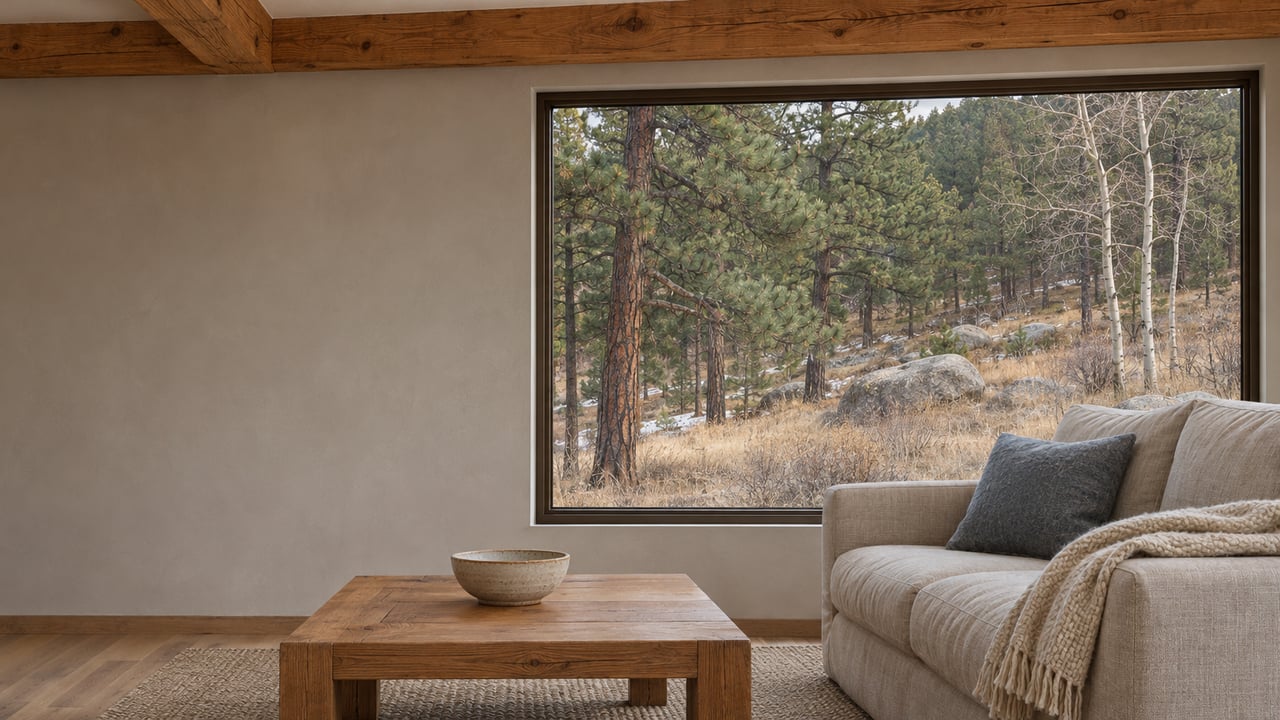
For small or cozy cabins, scale furniture to the room, choose light, neutral textiles, and use warm layered lighting. Give each compact space a clear purpose, like an office nook or reading corner, to help buyers see how they would use it. Declutter, remove heavy draperies, and add a mirror where it can bounce natural light. Outdoors, set a simple dining vignette on the deck, trim pathways, and stage a safe, tidy seating area around the fire pit so the lot reads as ready to enjoy.
Visual marketing that moves buyers
Professional photography and video help your listing stand out, especially to out‑of‑area buyers who start online. Industry analyses show that pro photography can speed sales, and pairing it with a short video walkthrough or 3D tour increases engagement. If you plan drone photos to show your lot and setting, confirm your media vendor follows FAA rules for commercial flights. Learn what applies to aerials by reviewing FAA Part 107 requirements. Ensure your provider is certified and insured before scheduling.
Timing, access, and showing logistics
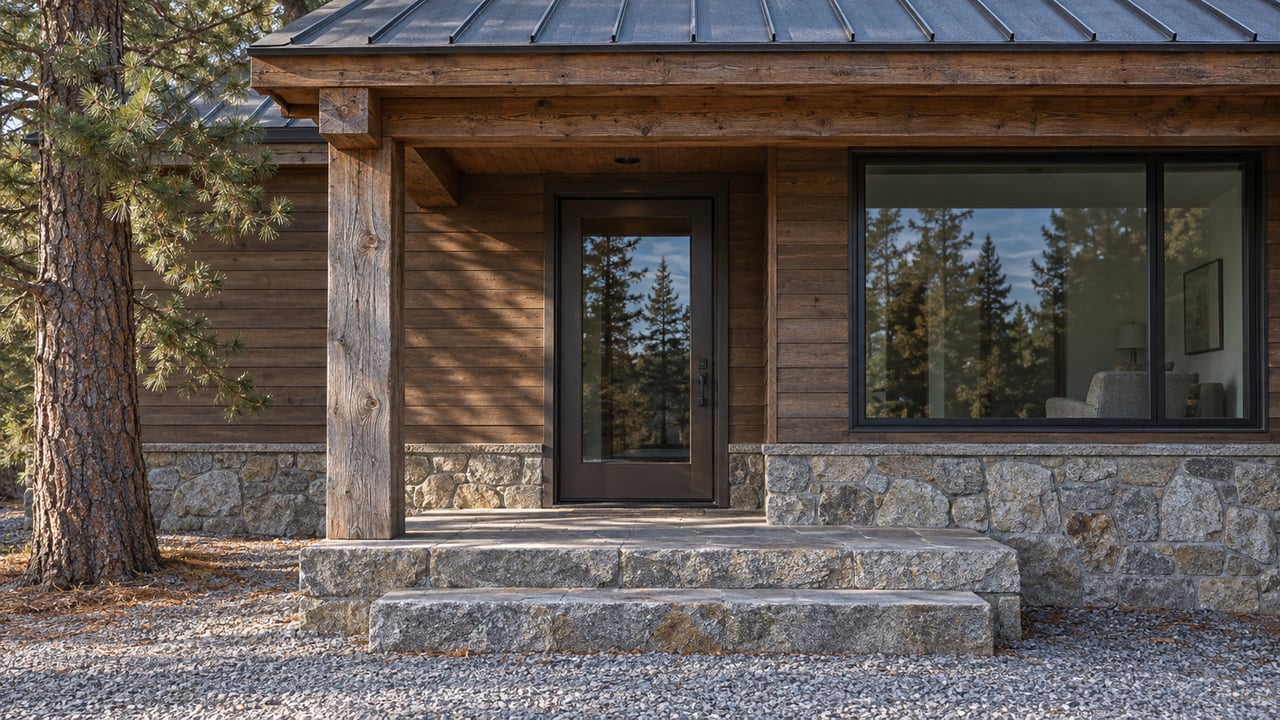
Many mountain buyers tour on weekends, and outdoor areas look best when snow is gone and landscaping is trimmed. If you list in winter, add clear notes about road status, plowing arrangements, and recommended vehicles for showings. Include photos that highlight access and parking so visitors arrive relaxed and ready to tour. Label private roads in your listing and keep walkways sanded and safe for open houses.
Your Pine cabin pre‑listing checklist
Use this plan to focus your time and budget. Adjust for your home’s age, systems, and season.
Immediate actions
- Schedule a pre‑listing inspection to spot issues you can fix on your timeline. Read why sellers choose pre‑listing inspections.
- Gather documents for your listing packet: septic use permit and service records, well water test results, radon test report, chimney/wood stove sweep and inspection.
- Book a professional photographer and plan staging for the living room, primary bedroom, kitchen, and main outdoor living area. Reference NAR’s staging findings.
1 to 8 weeks before listing
- Inspect the roof and gutters, clear needles and leaves, and check flashings.
- Complete a Level‑2 chimney inspection if your stove or fireplace has not been evaluated recently. See NFPA 211 inspection levels.
- Improve curb appeal and defensible space: prune, remove ladder fuels, and power‑wash decks. Follow CSFS guidance to protect your home from wildfire.
Quick wins (same day to one week)
- Declutter, store personal items, and remove heavy, dark window coverings.
- Add warm lighting and define small spaces with a single clear purpose.
- Freshen outdoor living with clean furniture and a few potted plants.
What to include in your seller packet
Buyers move faster when you make due diligence easy. Create a single digital PDF you can share with your agent and all interested parties.
- Property summary with dates of major updates
- Septic use permit, pumping and service records, and any Higher‑Level Treatment O&M contracts. See county guidance on HLT systems.
- Recent well water quality test results. Review Jeffco testing requirements.
- Radon test report and any mitigation details with warranty info. Learn more about radon from CDPHE.
- Chimney/wood stove sweep and inspection reports, plus heating system service receipts. Reference NFPA guidance.
- Roof receipts, permit history, and any HOA or road maintenance agreements. County resources are listed on Jefferson County’s forms and guides page.
- Site map or photos that show access, parking, and the path to the front door
Preparing these items early sets a confident tone, reduces surprises, and keeps your deal moving.
Ready to sell with confidence?
When you combine sound prep, clear documentation, smart staging, and media‑forward marketing, your Pine cabin stands out to today’s buyers. If you would like a tailored plan, market timing advice, and professional listing media that showcases your cabin’s best features, reach out to Trang Janick for local guidance and to get your free home valuation.
FAQs
What inspections do Pine cabin buyers expect?
- Most buyers look for a general pre‑listing or buyer inspection plus documentation for septic, well water, chimney/wood stove, and radon; providing recent reports can speed negotiations.
How do I handle a Higher‑Level Treatment septic system?
- Gather your use permit, O&M contract, and recent service records; Jefferson County outlines expectations for Higher‑Level Treatment systems.
Do I need a radon test before listing my Pine cabin?
- Colorado has higher radon potential, and testing is common; offering a recent result or agreeing to buyer testing helps avoid delays and is explained by CDPHE.
What wildfire mitigation should I complete before showings?
- Focus on defensible space in the first 30 to 100 feet, clear gutters, prune ladder fuels, and document work with photos and receipts using CSFS guidance.
Are drones allowed for listing photos of my property?
- Yes, but aerial media for listings must follow FAA commercial rules; hire a Part‑107 certified and insured operator and review FAA Part 107 basics.
When is the best time to list a Pine cabin?
- Spring through early fall often provides the best access and outdoor presentation; if listing in winter, prepare detailed access notes, snow removal info, and safe walk paths for showings.