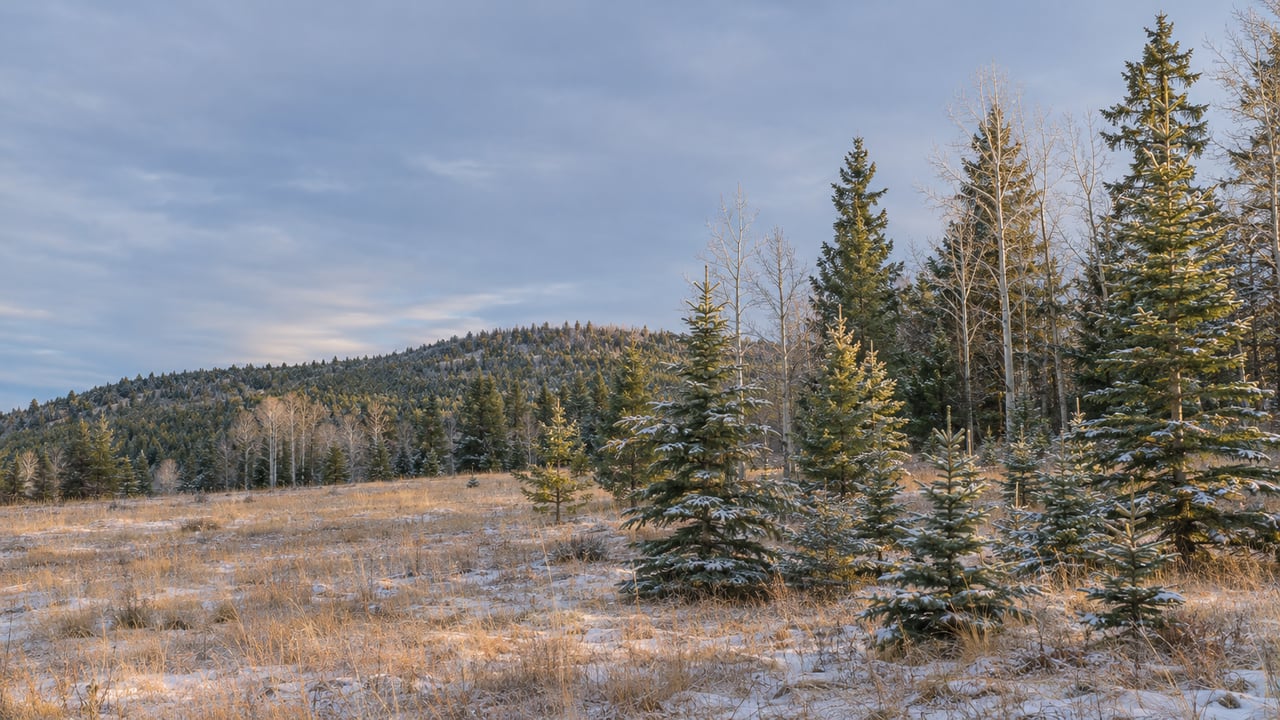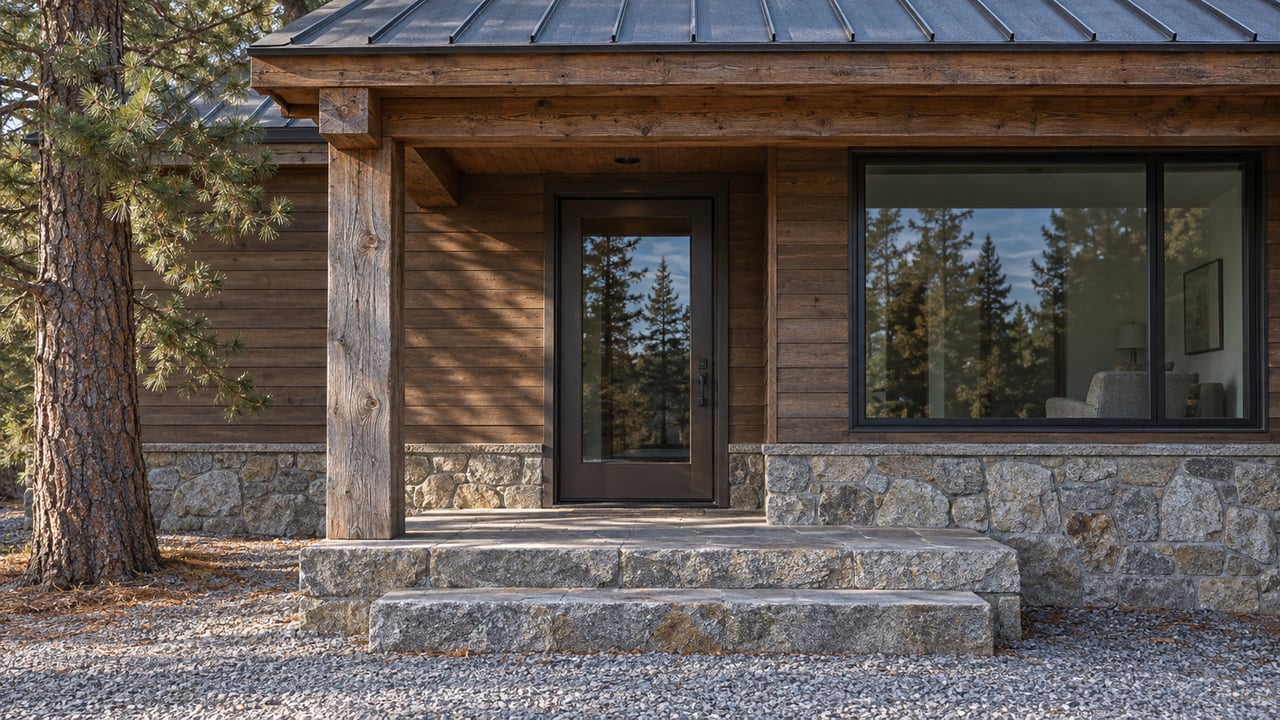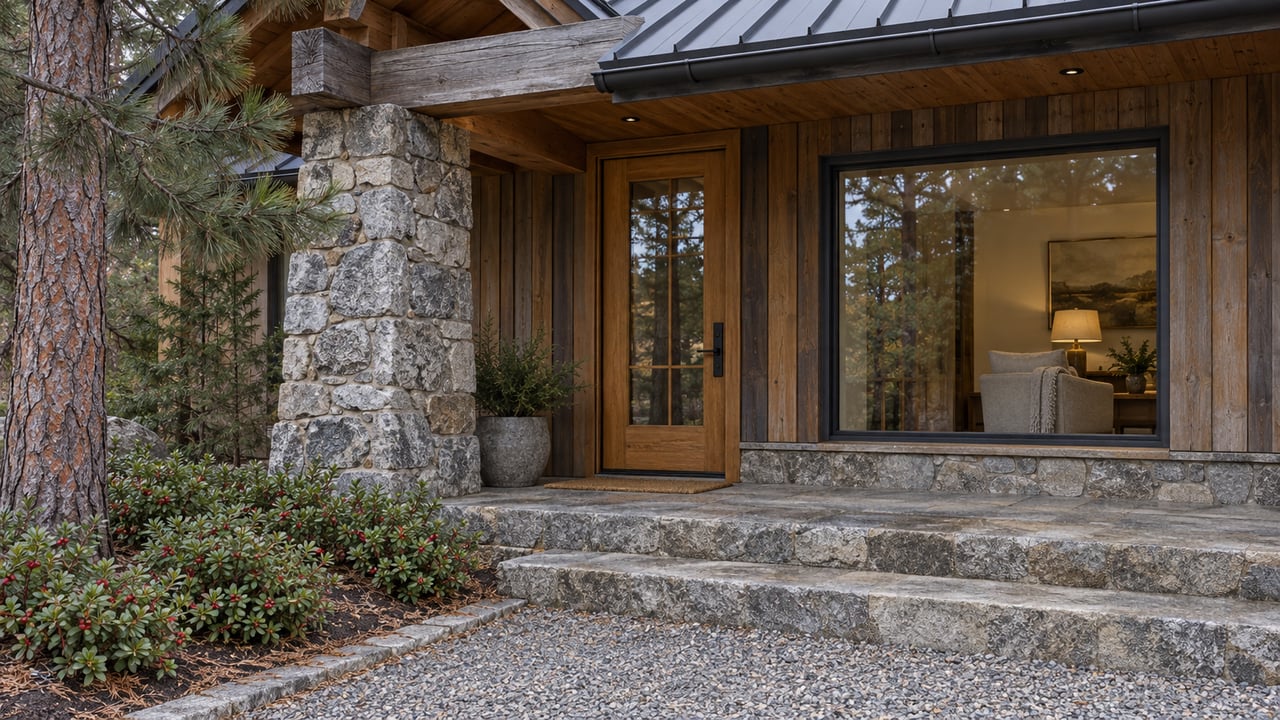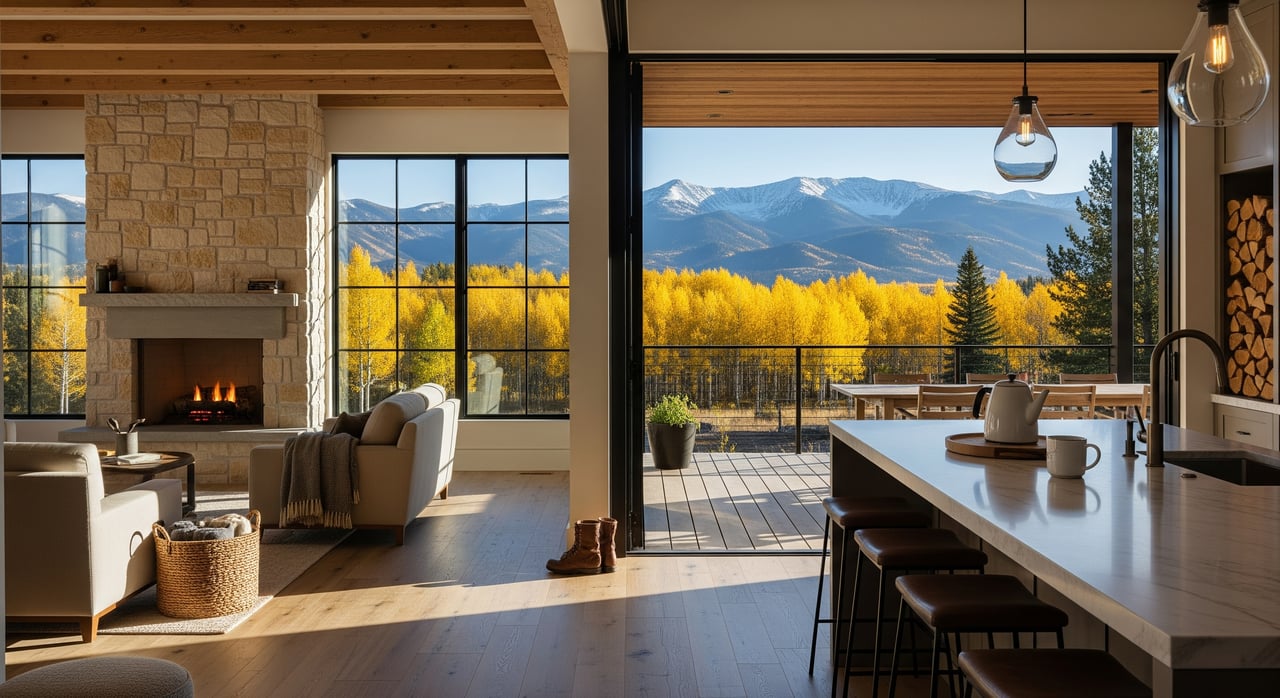
Picturing crisp pine air and mountain views, but not sure how daily life actually works in Bailey? You want the quiet and the trails, yet you also need reliable internet, a reasonable commute, and clear plans for winter. This guide gives you a practical, local look at groceries, services, connectivity, commuting, and recreation so you can decide if Bailey fits your lifestyle. Let’s dive in.
Bailey at a glance
Bailey is an unincorporated mountain community in Park County along US-285, serving as a rural hub for residents and visitors. You’ll find a mix of small businesses, local services, and homes on larger lots, with both year-round and part-time residents. Buyers often include remote workers, commuters to the Front Range, second-home owners, and retirees who want outdoor access and a slower pace.
Groceries and everyday shopping
Expect small local markets, general and hardware stores, and fuel or convenience stops for quick needs. Many residents combine local shopping with periodic trips to larger supermarkets in nearby towns or the Denver metro for bulk items and specialty goods. Selection is smaller and convenience items often cost more than city supermarkets, so plan ahead for pantry staples. Residential deliveries are generally available, though remote addresses may see limited scheduling or surcharges.
Medical and emergency services
Emergency response comes from Park County agencies and local volunteer fire districts, and response times can vary with distance and road conditions. For urgent care and hospital services, you will likely travel to neighboring towns or into the Denver area, where specialty care is more available. Confirm ambulance coverage, the closest urgent care, and the nearest trauma center for your specific address before you need them.
Schools and childcare
Children in Bailey attend Park County schools, with assignments based on district boundaries. Elementary options may be in or near Bailey, while middle and high school students may travel to other towns within the county. Childcare is limited; many families use small local providers or commute for full-time care. Always verify current options with Park County school district resources.
Utilities and home systems
Water service varies by property. Municipal or town water may be available in certain areas, but many homes rely on wells. Sewer connections are less common; septic systems are typical and require regular maintenance and permitting for replacements or upgrades. Heating sources vary too, including propane, fuel oil, electric, or wood or pellet stoves. Electricity is provided by regional utilities or local co-ops, and outages can occur during winter storms or wildfire mitigation work. Trash and recycling may be curbside through providers or handled via transfer stations, depending on your address.
Tip: Ask for utility provider names, average seasonal bills, septic maintenance records, and well details during your due diligence.
Internet and cell coverage
Connectivity is very address-specific in the foothills. Options may include DSL where copper lines exist, fixed wireless, limited cable, and satellite services such as Starlink, HughesNet, or Viasat. Cellular coverage depends on topography and tree cover, and dead zones are possible. For remote work, a dual setup works well: primary wired or fixed wireless service plus a cellular hotspot or satellite backup. Request recent speed tests and provider names from sellers to confirm performance at the exact home.
Getting around and commuting
US-285 realities
US-285 is the main artery serving Bailey. Travel times vary with traffic, construction, and especially winter weather, and holiday or weekend crowds can add delays. Commutes to Denver or other Front Range communities are common, and they are typically longer than metro averages.
Mountain driving basics
Steep grades, narrow shoulders, snow, ice, and occasional closures come with the terrain. Most residents set up vehicles for winter with AWD or 4WD, true winter tires, and an emergency kit. Plan extra time in storms and check conditions before you leave.
Public transit options
Public transit is limited in rural Park County. Frequent fixed-route service into Denver is not typical, and any shuttles or ride programs tend to be seasonal or limited. Expect to rely on your own vehicle.
Deliveries and mail
Package delivery is available in most areas, with some limitations for remote addresses. Some homes use PO boxes or rural mail routes, so verify how mail and packages reach your property.
Winter living essentials
Who plows what
State and county crews maintain US-285 and major county roads. Private drives, private roads, and some minor roads are usually the homeowner’s or HOA’s responsibility. Budget for plowing, snowblowers, or contract services if needed.
Typical winter impacts
Snow can arrive from late fall through spring. Black ice, drifts, and low visibility are common, so winter tires and cautious planning are smart. Utilities and phone or cellular service can be interrupted during severe weather, so keep food, water, heating fuel, and a backup plan on hand.
Home maintenance in snow season
If your home sits higher or on a steep driveway, confirm roof condition, snow load considerations, and heating system capacity. Plan for snow storage on site and ensure driveways and private roads allow emergency vehicle access.
Outdoor recreation near Bailey
You are well positioned for public land access. Pike National Forest offers hiking, mountain biking, horseback riding, and winter backcountry options such as snowshoeing and cross-country travel. The Lost Creek Wilderness provides remote trails and unique rock formations for day hikes and multi-day trips. Kenosha Pass on US-285 is known for scenic trailheads, wildflowers, and broad views. The South Platte River corridor and local reservoirs offer trout fishing, small-craft boating, and wildlife viewing. In winter, you are within driving distance of major ski areas like Breckenridge and Loveland.
Wildfire and environmental awareness
Wildfire is a seasonal reality in Colorado’s foothills. Learn about defensible space, burn bans, and community mitigation programs, including local chipping and fuel reduction efforts. In certain drainages, flooding or mudslides can be a concern, so check parcel details and maps if a property sits near streams or steep slopes.
Is Bailey a fit? A quick checklist
- Commute and internet: How long is your drive in typical and winter conditions, and do verified speeds support your remote work needs?
- Utilities: Is it municipal water or a well, and septic or sewer? Who are the local providers?
- Heating and fuel: What is the primary heat source, when was it last serviced, and how much fuel storage is on site?
- Road access: Is the last mile a private road, and who plows it? Is the driveway steep or wind-exposed?
- Medical and emergency: Where is the nearest urgent care and hospital, and which fire or ambulance district serves the address?
- Outdoor access: Which public lands and trailheads are closest, and are there any private road restrictions?
- Seasonal costs: What do owners typically spend on snow removal, heating, and spring maintenance like septic pumping?
- Insurance and risk: What is the property’s wildfire mitigation status and how might it affect insurance availability and premiums?
- Zoning and rules: Are there well or septic permits, HOA rules, or county regulations that impact renovations or short-term rentals?
If the mountain lifestyle calls to you, Bailey delivers quiet, space, and quick access to trails along with the realities of rural services and winter planning. When you are ready to explore properties or want help verifying address-specific details, connect with a local specialist who knows these hills well. Reach out to Trang Janick for guidance tailored to your goals.
FAQs
What is daily grocery shopping like in Bailey, CO?
- You will find small local markets and convenience options in town, and most residents make periodic trips to larger supermarkets in nearby towns or Denver for bulk and specialty items.
How reliable is internet for remote work in Bailey?
- Service varies by address, with options like DSL where available, fixed wireless, satellite, and limited cable; ask for recent speed tests and consider a cellular or satellite backup.
How long is the commute from Bailey to Denver on US-285?
- Commute times are typically longer than metro averages and can vary widely with traffic, construction, weather, and peak weekend or holiday travel.
Who handles snow plowing for Bailey homes?
- The state and county maintain US-285 and major county roads, while private drives and many minor roads are the homeowner’s or HOA’s responsibility.
What should I know about wells and septic systems in Bailey?
- Many properties use well water and septic; verify permits, maintenance history, water yield and quality, and plan for periodic septic pumping and potential system upgrades.
Are there public transit options from Bailey to Denver?
- Public transit is limited in rural Park County, and frequent fixed-route service into Denver is not typical, so most residents rely on private vehicles.
What outdoor recreation is close to Bailey?
- Nearby options include Pike National Forest, the Lost Creek Wilderness, Kenosha Pass trailheads, the South Platte River corridor, and winter access within driving distance to major ski areas.