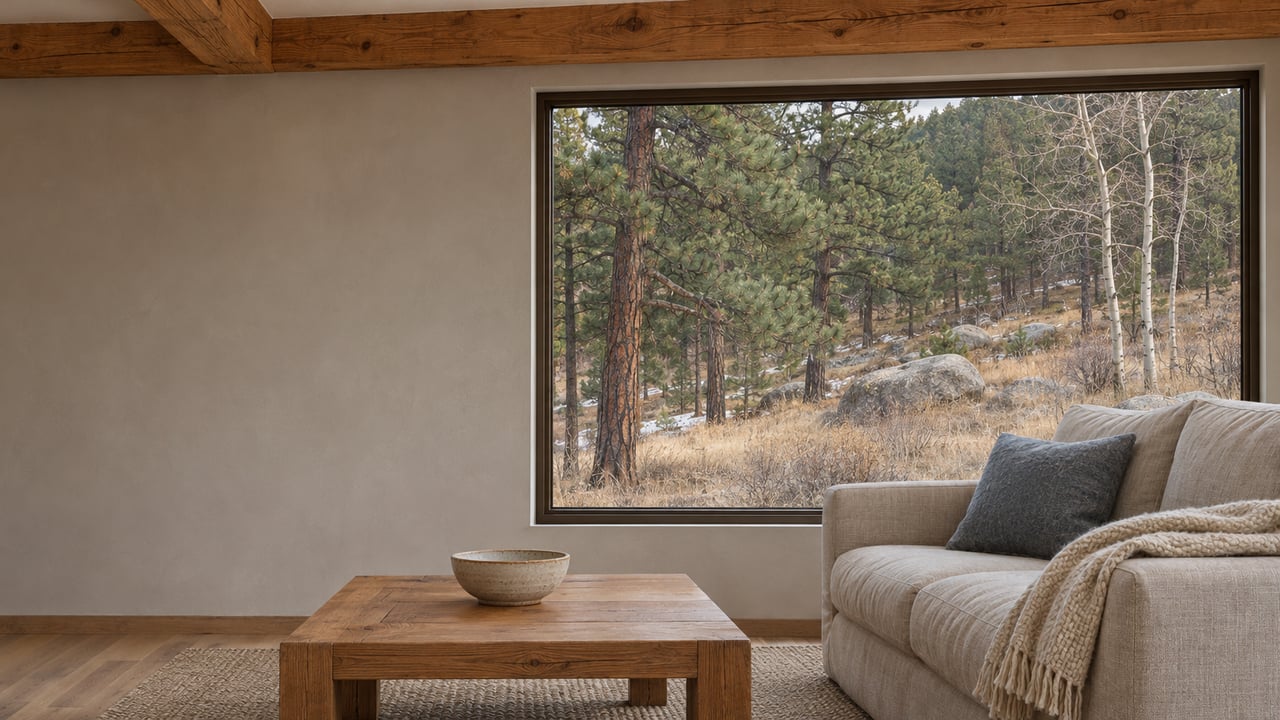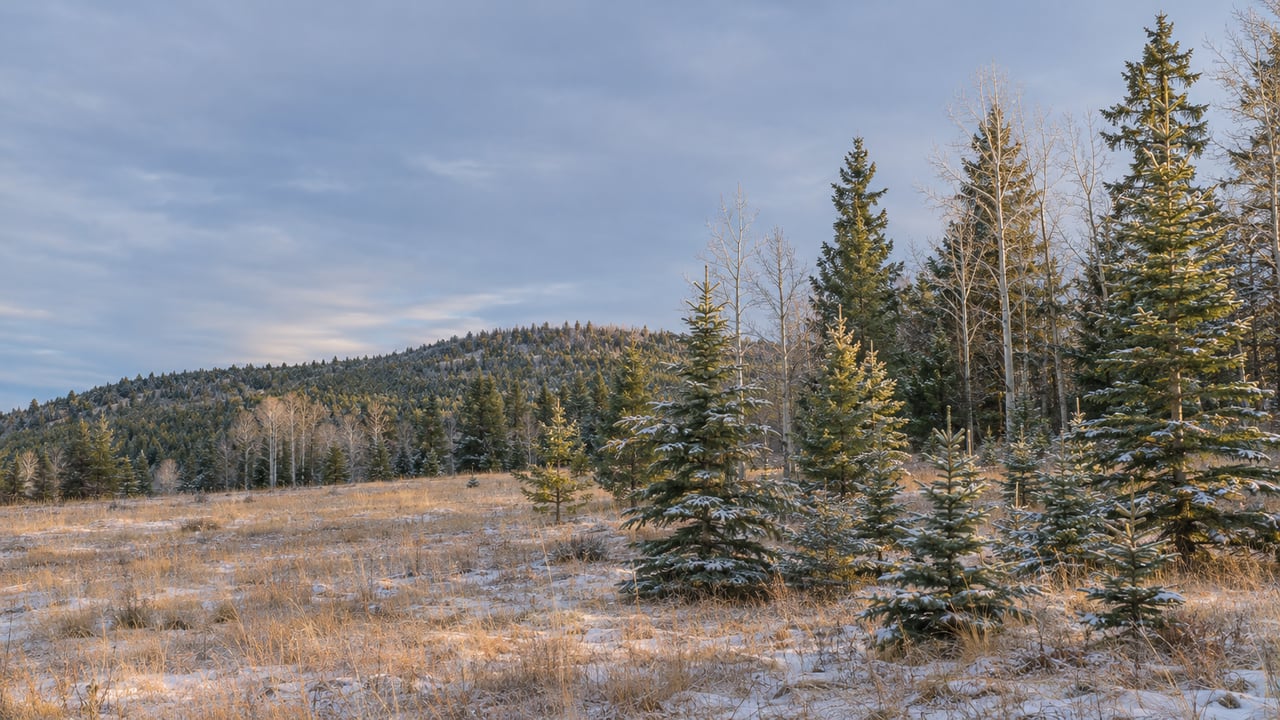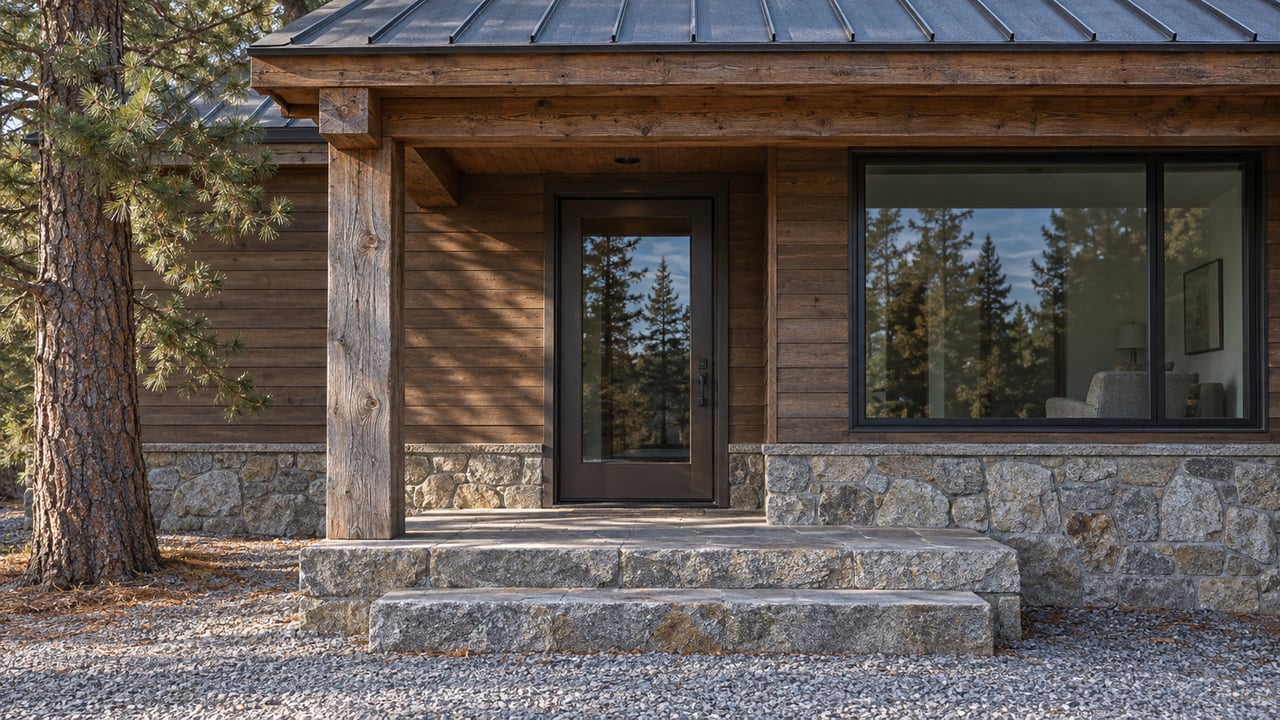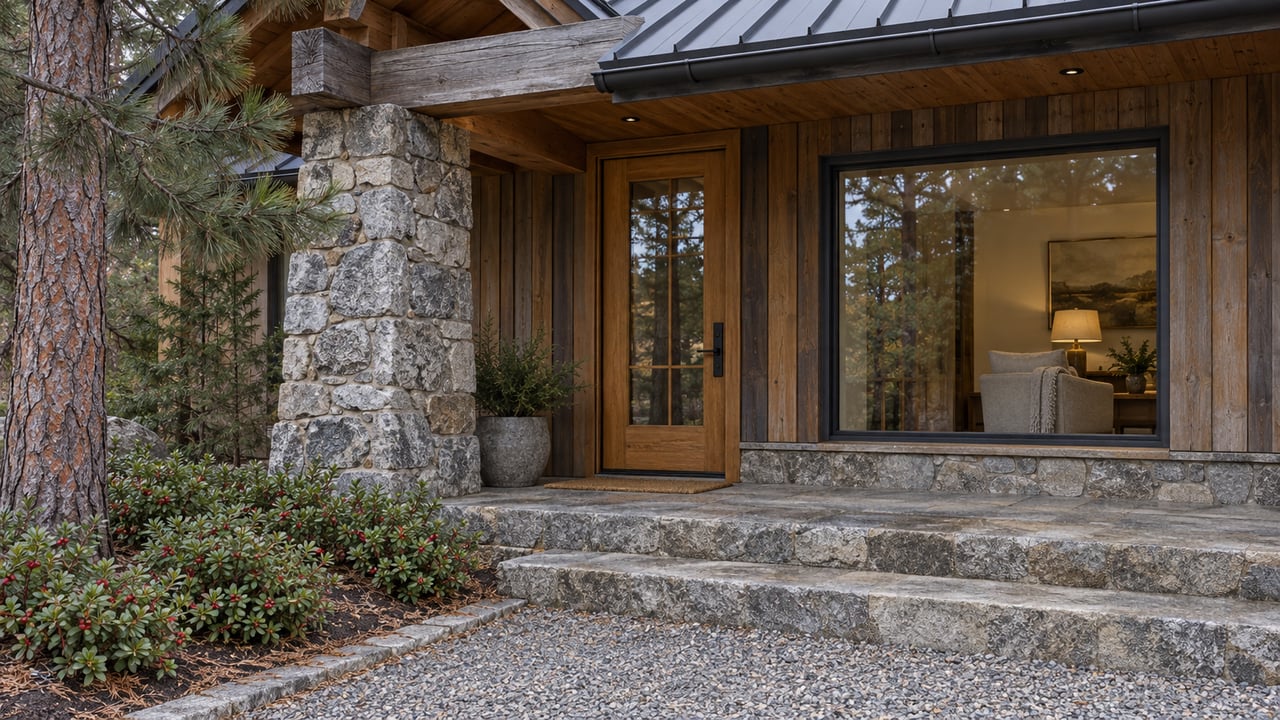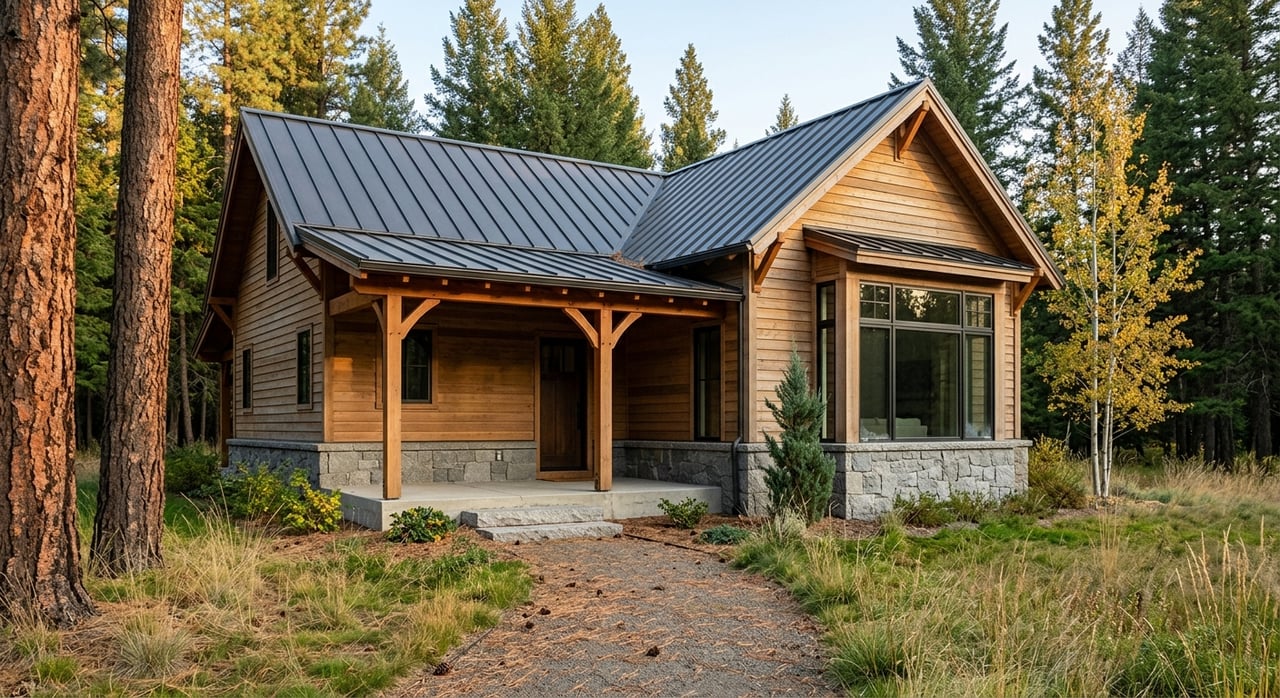
If you want a mountain setting without the feel of a busy resort town, Pine deserves a closer look. This foothills community gives you a quieter pace, easy access to the North Fork of the South Platte corridor, and a strong connection to trails, forests, and open space. If you are wondering what daily life here really feels like, this guide will help you understand the setting, recreation, and practical details that shape living in Pine. Let’s dive in.
What Pine feels like
Pine is an unincorporated community in Jefferson County, and the county groups it with other mountain areas known for a rural, low-density character. In the broader Life in Jeffco overview, Pine is part of a foothills environment that feels more forested and recreation-focused than commercial.
That matters if you are comparing Pine with more built-up suburbs. You are not moving here for a traditional downtown or a long strip of retail. You are moving here for space, scenery, and a mountain lifestyle that stays close to nature.
Pine is a cluster of mountain pockets
One of the best ways to understand Pine is to think of it as part of a corridor of connected pockets rather than one compact town center. Local planning materials identify Pine, Pine Junction, Pine Grove, Buffalo Creek, and nearby Conifer/285 corridor areas as part of this broader mountain pattern.
According to the Conifer/285 corridor planning framework, Pine Junction functions as a designated activity center. In plain terms, that means it is the area where services and community uses tend to cluster, while the surrounding areas keep more of their rural mountain feel.
For you as a buyer or seller, that creates a useful expectation. Pine often feels residential, wooded, and spread out, while Pine Junction may serve more of your everyday stop-in needs.
Why the South Platte corridor stands out
The lifestyle story here is really about the North Fork of the South Platte. That corridor gives Pine much of its identity, with river-adjacent scenery, forested slopes, and trail connections that make the area feel outdoors-first.
Jefferson County planning documents describe the Foxton-Pine Grove valley as a landscape of riparian vegetation, steep slopes, ponderosa pine, Douglas-fir forests, and scenic rock formations. You can see that character reflected in the county’s planning materials for the area.
If you enjoy a setting where water, trails, and forest are part of your weekly routine, Pine offers that in a very direct way. It is one of the reasons many buyers are drawn to this part of the foothills in the first place.
Outdoor access is a major draw
For many people, living in Pine means being close to some of the foothills' best recreation. The area has a strong concentration of parks and trail systems that support hiking, biking, fishing, and year-round exploring.
Pine Valley Ranch Park
Pine Valley Ranch Park is one of the area’s signature destinations. Pine Lake is the centerpiece, with seasonal activities like winter skating and angling, along with pier fishing in warmer months.
The park also connects to a larger recreation network. Its Buck Gulch Trail links to the Buffalo Creek Recreation Area in Pike National Forest, which adds even more options if you want longer trail days.
Buffalo Creek trails
The Buffalo Creek area is a big reason Pine appeals to active buyers. The Forest Service notes that Buffalo Creek has more than 50 miles of multi-use, nonmotorized trails and connects to the Colorado Trail in several places.
That kind of access is hard to ignore if your ideal weekend includes mountain biking, hiking, or simply getting out without a long drive. The trail system is open year-round, though snow and mud can affect winter access.
Reynolds Park connections
Reynolds Park is another nearby asset for Pine-area residents. Jefferson County notes that the North Fork Trail runs 10.1 miles to the South Platte River and the Colorado Trail, creating another meaningful link into the larger regional trail system.
If you are looking for a home base that keeps outdoor options close, Pine offers several strong choices within the broader corridor. That convenience is part of daily life here, not just a special outing.
Staunton State Park nearby
Staunton State Park is also part of the nearby recreation picture, reached from US 285 at Shaffers Crossing and accessed via Elk Creek Road. Colorado Parks and Wildlife describes the park as 3,988 acres with 37 miles of trails, 25 campsites, 25 picnic sites, a visitor center, grassy meadows, and granite cliffs rising above 10,000 feet.
One practical note is that busy weekends can bring heavier visitation. The research for this area notes that Staunton’s Lazy V parking lot can fill early, which is helpful to know if you plan to spend a lot of time there or host guests who want to explore.
Beaver Ranch Park nearby
Beaver Ranch Park is another recreation anchor for the broader southwest part of unincorporated Jefferson County. Jeffco describes it as serving communities that include Pine and Buffalo Creek, adding one more layer to the area’s outdoor appeal.
Getting around from Pine
US 285 is the main transportation spine for this part of the foothills. It is the route most people use to access Conifer, Pine, Bailey, and other nearby communities, and it shapes how residents think about commuting, errands, and weekend travel.
Jeffco planning documents for the area identify US 285 as the primary access road, while routes like County Road 126, Foxton Road, Pine Valley Road, Crystal Lake Road, and Elk Creek Road help connect residents to parks, trailheads, and neighborhoods. You can see that context in the Beaver Ranch Park master plan.
For everyday living, this means travel patterns tend to be simple but important. Knowing your route to 285, your side-road conditions, and your proximity to Pine Junction can play a big role in how a property feels day to day.
Practical details buyers should know
Mountain living comes with rewards, but it also asks for a little more planning. Pine is no exception.
Road maintenance matters
Jefferson County’s Road and Bridge District IV serves Conifer, Pine, and Buffalo Creek, and the county provides information for maintained roads in unincorporated areas. That is worth checking when you are evaluating a property, especially if winter access is a concern.
Not every road condition will feel the same from one home to the next. Driveway slope, road exposure, and maintenance expectations can all affect daily convenience.
Wildfire awareness is part of the setting
Jefferson County notes ongoing concern in mountain communities about forest conditions, mountain pine beetle impacts, and wildfire risk. The county’s forest management resources make clear that this is a regular part of living in the foothills, not an occasional side issue.
North Fork Fire Protection District serves communities including Pine Grove and Buffalo Creek, providing structural and wildland fire suppression, emergency medical care and transport, rescue, and fire prevention. For many buyers, it helps to think of wildfire preparedness as part of routine mountain homeownership.
Who Pine fits best
Pine can be a strong match if you want a quieter foothills lifestyle with direct access to recreation. It often appeals to buyers looking for cabins, single-family homes, acreage, or a second home in a less commercial setting.
It may also fit you if you value privacy, natural surroundings, and a community pattern that feels more spread out than suburban. On the other hand, if you want a dense town center with many services in one place, Pine may feel intentionally low-key.
That is not a drawback for the right buyer. In fact, for many people, it is the point.
What to keep in mind when house hunting
When you tour homes in Pine, it helps to look beyond square footage and finishes. In a mountain market, the setting often shapes your experience just as much as the house itself.
Consider factors like:
- Your route to US 285
- The condition and maintenance of nearby roads
- Distance to trailheads, parks, and daily services
- Forest density and surrounding vegetation
- How much privacy or openness the lot provides
- Seasonal access and winter driving comfort
These details can affect both lifestyle and long-term satisfaction. A home that looks similar on paper can feel very different once you factor in access, topography, and proximity to recreation.
Living in Pine with expert local guidance
Pine is one of those communities where local knowledge really matters. The difference between one pocket and another can affect your commute, your access to trails, and how your property lives through the seasons.
If you are thinking about buying or selling in Pine, working with someone who understands mountain homes, acreage, cabins, and foothills market dynamics can make the process much clearer. If you want help exploring Pine or comparing it with nearby foothills communities, connect with Trang Janick for knowledgeable, hands-on guidance.
FAQs
What is it like living in Pine, Colorado?
- Living in Pine generally means a quiet, low-density foothills setting with forested surroundings, access to the North Fork of the South Platte corridor, and a lifestyle centered more on recreation and space than on commercial development.
How do you get around from Pine, Colorado?
- Most travel in and out of Pine centers on US 285, with local connector roads like County Road 126, Foxton Road, Pine Valley Road, Crystal Lake Road, and Elk Creek Road linking homes to parks, trailheads, and nearby service areas.
What outdoor recreation is near Pine, Colorado?
- Pine is close to Pine Valley Ranch Park, Buffalo Creek Recreation Area, Reynolds Park, Staunton State Park, and Beaver Ranch Park, giving you access to hiking, biking, fishing, and scenic open space throughout the year.
What practical issues should buyers know about Pine, Colorado?
- Buyers should pay attention to road maintenance, winter access, and wildfire preparedness, since these are important parts of daily life and long-term homeownership in mountain communities.
Is Pine, Colorado a town with a downtown area?
- Pine is better understood as part of a group of mountain pockets, with Pine Junction serving more as a service node while the broader Pine area remains more rural, residential, and spread out.