Thinking about listing your Conifer home that runs on a private well and septic? A few smart steps now can save you stress, renegotiations, and last‑minute delays later. Buyers and lenders in the foothills look for clean water tests, proof of well yield, and a documented septic inspection that meets Jefferson County rules. In this guide, you’ll learn exactly what to test, which permits to secure, how to time everything, and what it may cost. Let’s dive in.
Why this prep matters in Conifer
When your home relies on a private well and an on‑site wastewater system, buyers and lenders want clear proof that both are safe and functional. If you provide recent lab results, pump or recovery data, and a county‑accepted septic inspection up front, you reduce surprises in escrow. You also put yourself in a stronger position to price confidently and keep your timeline on track. A little planning can make your sale smoother and more predictable.
What Jefferson County requires at sale
Jefferson County Public Health runs a formal Use Permit program for on‑site wastewater systems. If your septic system was installed more than five years before the sale date, you must get a county Use Permit and an inspection to transfer title. The county outlines the process and forms on its Use Permit program page.
In certain areas, Jefferson County also requires well water testing tied to septic permitting or a Use Permit. If your property is in parts of Indian Hills or Parmalee Gulch, or if it is on an older parcel created before June 3, 1966, you must submit a raw water sample for coliform, E. coli, and nitrate to a state‑certified lab. The county will not issue the permit until results are received. Check details on the county’s Mandatory Well Water Quality Testing policy.
Colorado’s statewide framework for septic systems is set by CDPHE under Regulation 43, and counties implement rules that meet or exceed those standards. For an overview of how the state and county fit together, see CDPHE’s OWTS resources. In practice, follow Jeffco’s rules for your Conifer property.
Prove water quality and quantity
Water quality testing for Conifer wells
Start with a basic lab panel: total coliform and E. coli, plus nitrate. Jefferson County recommends routine bacteria and nitrate testing for private wells, and some areas require it when you apply for certain septic permits or a Use Permit. The county shares private well tips on its Well Water Systems page.
For added peace of mind, consider an expanded panel based on local geology and any known risks. Sellers in the foothills often test for arsenic, uranium or radium, iron and manganese, total dissolved solids, pH, and hardness. If you suspect nearby contamination sources, discuss VOCs or pesticides with a state‑certified lab. The CDC advises private well owners to test at least annually for coliform and nitrate; you can review their guidance in the CDC well water testing guidelines.
Water quantity and well yield
Some buyers, appraisers, or loan programs want documentation that your well can meet normal household demand. A pump or recovery test measures gallons per minute over a set period. This is common for older wells, properties with a history of low yield, or shared wells. If yield is a concern, schedule testing early so you have results in hand for buyers.
Shared wells come with extra documentation. Many lenders want a recorded, binding shared‑well agreement that covers access, maintenance, and costs. Program rules, especially FHA, outline minimums for continuous supply and proof of potable water. You can review FHA guidance in the FHA Single Family Housing Policy Handbook.
Pull your well records
Buyers appreciate a complete file. Use the Colorado Division of Water Resources search tools to find your well permit and well log. Records are most complete for wells registered after May 8, 1972, with some older wells added later. Start your lookup at AskDWR and the well permit search, then contact Jefferson County with any title‑transfer questions about your specific well.
Get your septic ready to transfer
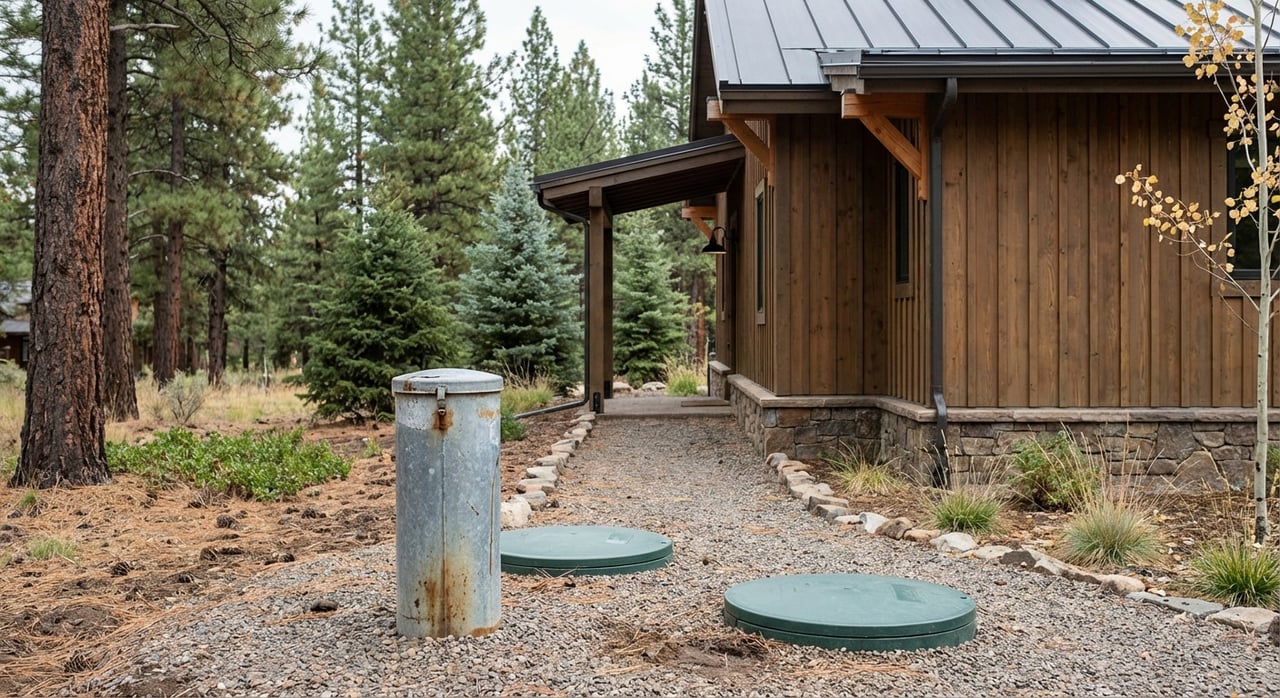
Expect to schedule a septic inspection and, if needed, a pump‑out before listing or during escrow. Jefferson County’s Use Permit process relies on inspector reports and county forms. Inspectors typically review tank integrity, baffles, risers and lids, effluent filters, the distribution box, any pump chamber and alarms, drainfield performance, and setback compliance. They will also note tank size, design capacity, and recent maintenance.
If your system is older than five years, plan ahead for the Use Permit application. Jefferson County asks sellers to submit a complete application at least 10 working days before closing. The county’s processing guidance suggests allowing about 14 working days. Building in enough time avoids a closing delay.
Common foothill issues to expect
Wells
- Variable or seasonal yield. Foothill geology can produce low or fluctuating flow. Buyers may ask about your pressure tank size and recent pump testing.
- Mechanical wear. Older submersible pumps and controls can fail, especially if there is sand or abrasive material. If your pump is near end of life, budget accordingly.
- Contaminants. Coliform bacteria, E. coli, and nitrate are the most common concerns. Some foothill aquifers also carry naturally occurring radionuclides or metals. An expanded panel can help you get ahead of buyer questions.
Septic
- Drainfield saturation. Thin soils and bedrock can limit infiltration and shorten drainfield life. Surface wet spots or slow recovery are red flags.
- Aging components. Missing baffles, cracked tanks, and absent risers make maintenance harder and may appear in an inspection report.
- Unpermitted fixes. Work without permits slows approvals and can add cost. Alternative systems with mechanical parts need documented maintenance.
Typical costs and timing
Every property is different, but these ballpark ranges help you plan:
- Water testing, basic panel. Coliform and nitrate often cost about 50 to 200 dollars. Expanded packages for metals, radionuclides, or VOCs can run into the hundreds or more.
- Well pump or recovery test. Expect several hundred dollars to around 1,000 dollars or more, depending on access and scope.
- Well pump replacement. Many residential submersible pump replacements fall around 1,000 to 5,000 dollars, with deeper or complex wells costing more.
- Septic pumping. A routine pump‑out commonly runs roughly 300 to 600 dollars in the region. Difficult access or larger tanks cost more.
- Septic repairs or replacement. Minor repairs can be a few hundred to a few thousand dollars. A new drainfield or full system in challenging terrain can range from about 8,000 to 35,000 dollars or more.
Timing tip: Start your well and septic prep 4 to 8 weeks before you plan to list. Lab turnaround and contractor schedules can stretch, especially in busy seasons. Aim to have your water tests, inspection, and any quick fixes done before photos and showings.
Pre‑listing checklist for Conifer sellers
- Pull your DWR well permit and well log, plus any driller reports and service records. Keep them in one folder. Start at AskDWR.
- Order a raw well water sample at a state‑certified lab. Test for total coliform and E. coli plus nitrate at minimum. Consider arsenic or radionuclides if local geology suggests risk. See Jeffco’s mandatory testing guidance for special areas.
- If yield is uncertain, schedule a well recovery or GPM test and keep the written report.
- Book a septic inspection and, if needed, a pump‑out. Gather the inspector’s report and any maintenance receipts. If your system is older than five years, start the Use Permit process early on the county’s Use Permit program page.
- Collect prior permits, warranties, and maintenance contracts for both well and septic. These support buyer due diligence.
- If a defect is found, get written quotes. Decide whether to repair now or disclose and offer a credit or price adjustment.
Loan and appraisal considerations
Most loan programs accept private wells and septic systems when they are sanitary, permitted, and provide adequate quantity. Lenders often ask for a recent potability test and may require a pump or recovery test, especially for shared wells or when quantity is in doubt. For shared systems, you will likely need a recorded agreement that covers access and cost sharing. You can review typical shared‑well expectations in the FHA Single Family Housing Policy Handbook.
Disclose and document confidently
Colorado uses Commission‑approved Seller’s Property Disclosure forms. You must disclose adverse material facts actually known to you, including well or septic issues. Help buyers feel confident by attaching your well log, lab results, septic inspection, pump‑out receipts, and any recorded agreements. If you learn new information while listed, update your disclosure promptly. You can find the standard forms on the state’s Division of Real Estate contracts and forms page.
Local help and homeowner tips
- Private well care. Review county best practices on the Jefferson County Well Water Systems page and test annually.
- Septic upkeep. The EPA’s SepticSmart program has quick videos on pumping intervals and proper maintenance. See SepticSmart homeowner tips.
- County and state contacts. For septic permits and Use Permit questions, start with Jefferson County Environmental Health. For well permits and logs, use DWR’s AskDWR tools. For statewide septic and private well resources, visit CDPHE’s OWTS resources.
Selling a foothills home is easier when you give buyers clear, complete answers. With the right tests, records, and county approvals in place, your listing stands out and your closing stays on schedule. If you would like a tailored pre‑listing plan, connect with Trang Janick for a quick consult and free home valuation.
FAQs
What does Jefferson County require for septic before selling a Conifer home?
- If the system was installed more than five years before your sale, Jefferson County requires a Use Permit supported by a septic inspection and county forms.
Which well water tests should Conifer sellers run before listing?
- At minimum, test a raw sample for total coliform, E. coli, and nitrate at a state‑certified lab, then add analytes like arsenic or radionuclides if local geology suggests risk.
How long does a Jefferson County septic Use Permit take to process?
- Plan to apply at least 10 working days before closing and allow about 14 working days for county processing to avoid delays.
Do lenders require well pump or flow tests in Conifer?
- Many lenders request a pump or recovery test if yield is uncertain or the property uses a shared well, along with recent potable water lab results.
What if my septic inspection fails before I list my Conifer home?
- Get written estimates, complete minor repairs if feasible, or disclose the report and consider a credit or price adjustment to keep your timeline.
How do I find my Colorado well permit and well log before listing?
- Use the Colorado Division of Water Resources search tools to pull your well permit and log, then share them with buyers as part of your disclosure packet.