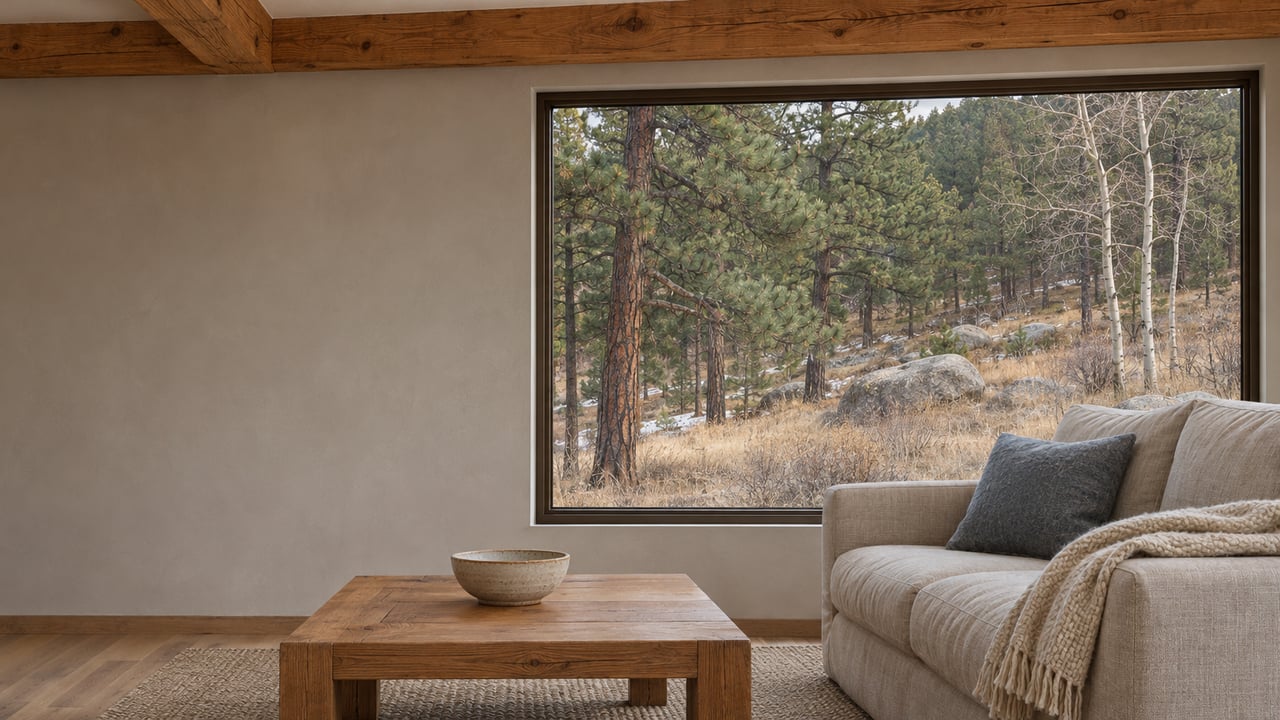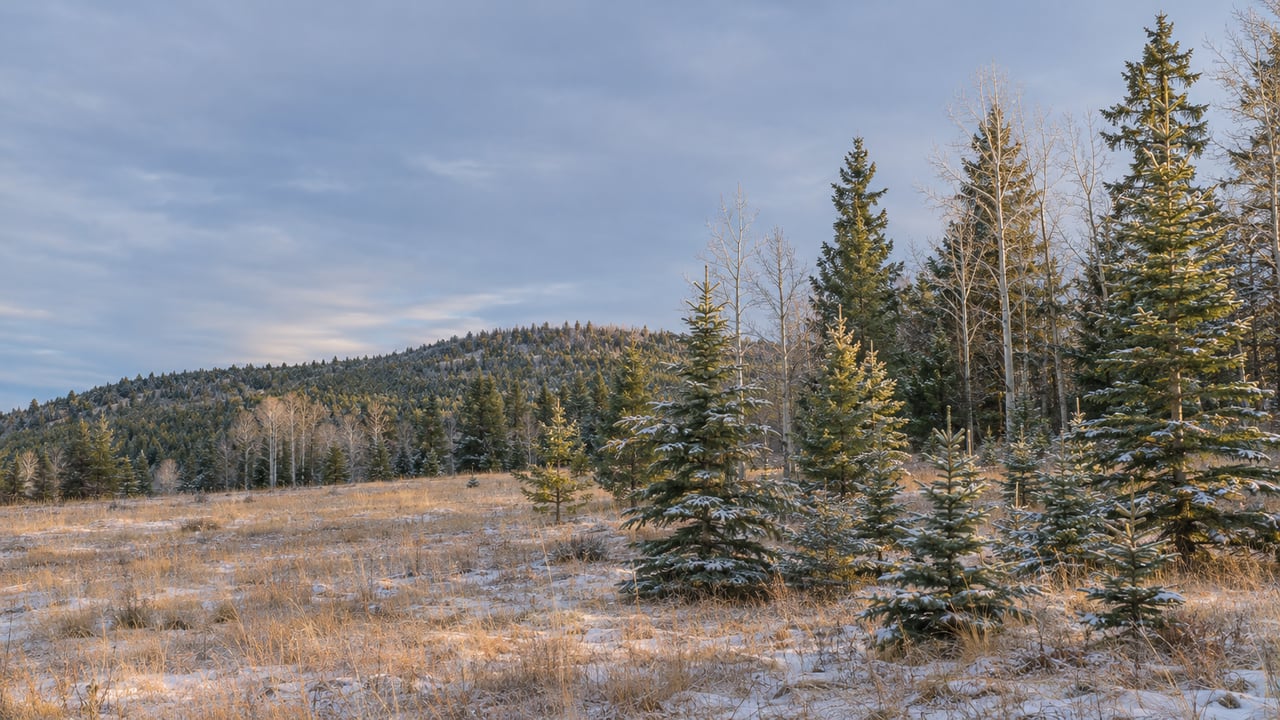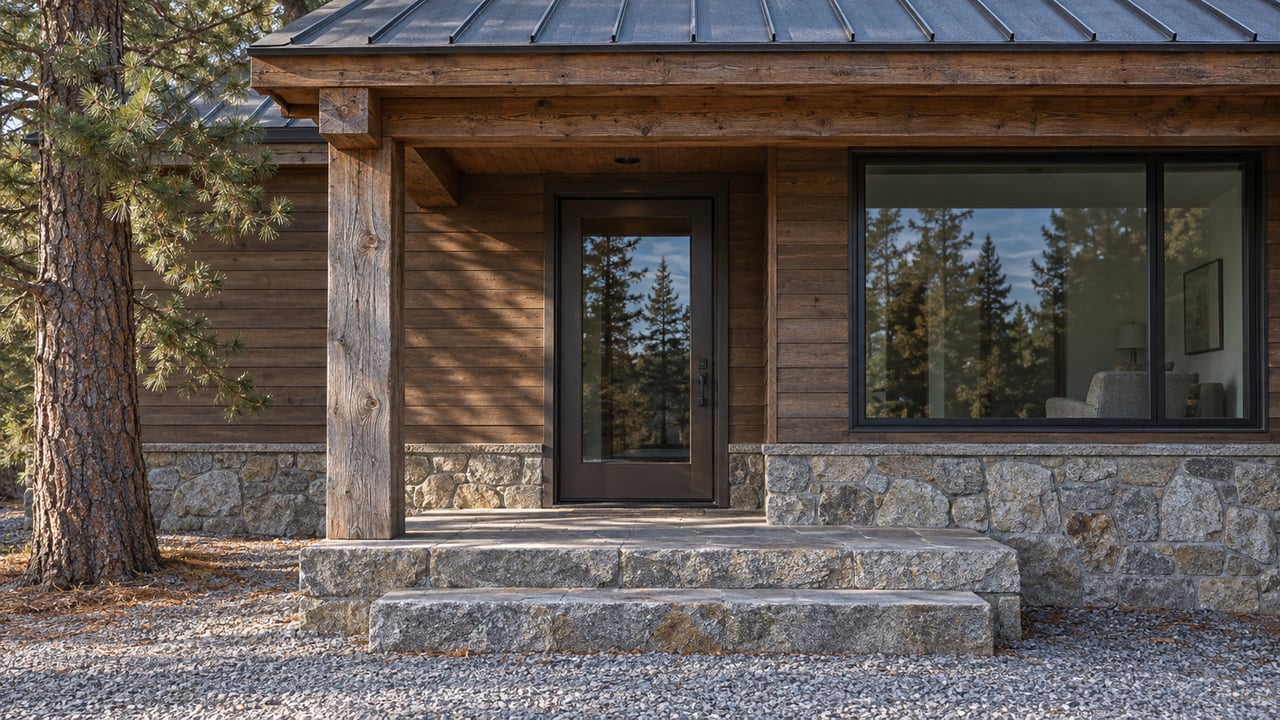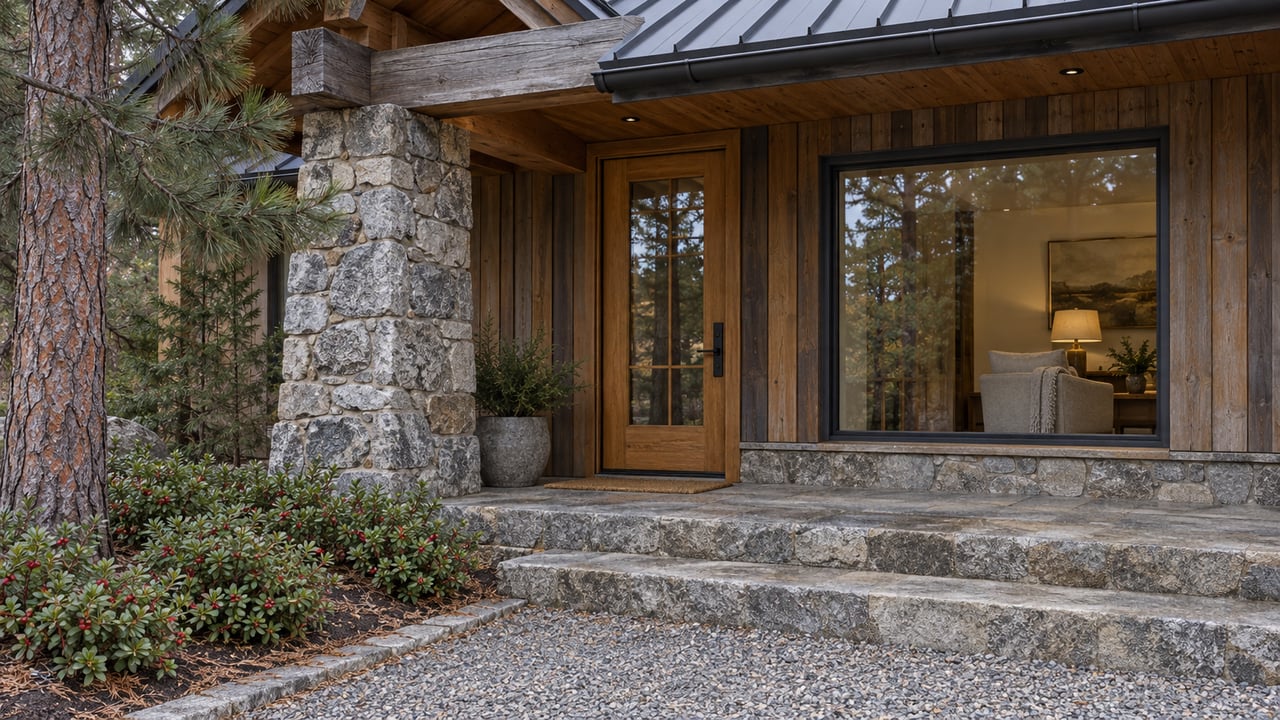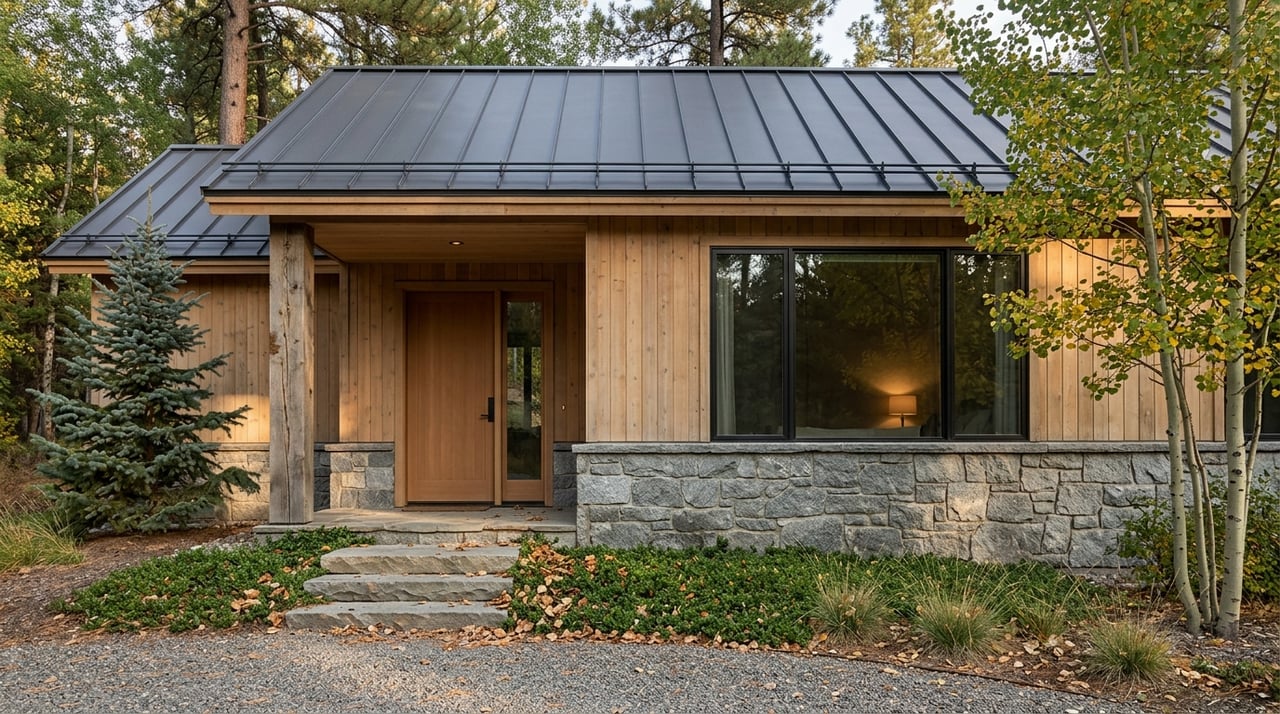
Wondering whether Shawnee or Bailey makes the better foothills weekend retreat? If you are searching for a cabin, second home, or land in the 285 corridor, this is one of the most useful comparisons you can make. Each community offers mountain access and a quieter pace than the city, but they live a little differently day to day. Let’s break down what sets them apart so you can choose the retreat that fits your goals.
Bailey at a glance
Bailey is a small unincorporated community in Platte Canyon, about 40 miles west of Denver on US 285. According to Park County, it has a broader mix of businesses and services than Shawnee, which gives it a more practical base-camp feel for many buyers.
The county profile for Bailey lists a general store, gas station, gift shops, lumberyard, dental clinic, chiropractor, health center, newspaper, art galleries, local restaurants, and a library 5 miles east of town. If you want a weekend place where errands and basic services are easier to handle nearby, that can be a meaningful advantage.
Shawnee at a glance
Shawnee sits about 5 miles west of Bailey on the same US 285 corridor. Park County identifies Shawnee as a historic district, and its profile points to a much smaller town core with a quieter footprint.
The county lists an art gallery, tea room, community center, and post office in Shawnee. That smaller mix of services gives it a more tucked-away, retreat-like feel, especially for buyers who care more about character and setting than convenience.
Shawnee is also listed at 8,100 feet, while Bailey is listed at 7,700 feet. That modest elevation difference may contribute to a slightly cooler, more alpine feel in Shawnee.
Everyday feel: convenience vs character
If your ideal weekend home is a launch point where you can grab supplies, meet contractors, and handle ownership tasks with fewer stops, Bailey may feel easier. Its mix of services and surrounding residential areas suggests a more functional foothills hub.
If your ideal retreat is quieter and more rooted in historic mountain character, Shawnee may stand out. Its smaller town core and historic district identity tend to appeal to buyers who want the setting itself to feel like part of the escape.
Neither place is suburban. Park County states that it aims to preserve rural character and open space, protect access routes to public lands, and focus higher-density residential and commercial development around towns and rural population centers. That is a good reminder that both Bailey and Shawnee are still part of a rural mountain county.
Home and land patterns to expect
Bailey generally reads as the larger residential cluster. Park County describes surrounding subdivisions and a broad mix of businesses and home-based enterprises, which points to more variety in practical residential uses.
Shawnee is more closely associated with historic buildings and its historic district designation. For buyers, that often translates into a more distinct sense of place and a more character-driven environment.
If you are shopping for vacant land in either area, due diligence matters just as much as scenery. Park County states that all residences are required to have septic systems, and private wells provide water for most homes and businesses in the county.
That means land buyers should pay close attention to septic feasibility, water access, and site-specific development limits. A beautiful lot is only part of the story if you plan to build or improve it.
Vacant land rules matter here
For land and acreage buyers, Park County’s subdivision rules are especially important. The county states that existing subdivisions cannot be further subdivided, and parcels under 10 acres cannot be subdivided.
Parcels that are 10 acres or larger and are not already in a subdivision may be eligible for subdivision review. The county also directs vacant-lot buyers to request a site evaluation through Environmental Health when they need to better understand development constraints.
This applies whether you lean toward Bailey or Shawnee. If you are comparing land options for a future cabin or second home, these practical details should shape your search early.
Recreation access from Bailey
Bailey has a strong trail-access story for weekend buyers. The Forest Service says the Ben Tyler Trailhead is 6.8 miles west of Bailey on US 285, and the Ben Tyler Trail leads into Lost Creek Wilderness for hiking, backpacking, and horse riding and camping.
The same Forest Service information notes that the Rock Creek Trailhead connects to the Colorado Trail toward Kenosha Pass. If quick access to established trailheads is high on your list, Bailey offers a very clear case.
For many second-home buyers, that means less planning and more getting outside. You can use Bailey as a comfortable foothills base while still being close to major backcountry experiences.
Recreation access from Shawnee
Shawnee’s recreation appeal is tied more to its position along the corridor. The Forest Service says there are plans to build a new trailhead just west of Shawnee on US 285, and Shawnee also sits closer to Grant on the west side of the corridor.
That location matters because the Guanella Pass Scenic Byway is accessed from Grant or Georgetown. On the south side, the Forest Service lists hiking trails, developed campgrounds, cross-country skiing, snowshoeing, biking, road cycling, scenic drives, wildlife viewing, and horseback riding.
For buyers who want to feel a little closer to the Guanella Pass side of the foothills, Shawnee may have the edge. Its location supports a more tucked-in retreat experience with strong access to scenic and backcountry recreation.
Lost Creek Wilderness benefits both
Both communities benefit from proximity to Lost Creek Wilderness and the broader non-motorized backcountry experience in this part of Park County. The Forest Service states that the west side of Lost Creek Wilderness is managed by the South Park Ranger District, and nearby campgrounds include Lost Park, Spruce Grove, and Twin Eagles.
If your idea of a weekend retreat includes backpacking, horseback access, and a non-motorized setting, this entire stretch of the 285 corridor has real appeal. In that sense, Shawnee and Bailey are not competing with the city as much as they are offering two versions of foothills access.
Which retreat fits your goals?
Choose Bailey if you want practicality
Bailey may be the better fit if you want more everyday convenience around your weekend property. Its local services, broader residential mix, and straightforward trail access can make ownership feel a little simpler.
That can be especially helpful if you are buying your first mountain property, planning regular weekend use, or balancing retreat goals with day-to-day logistics. For many buyers, convenience is not the opposite of mountain living. It is what helps them enjoy it more often.
Choose Shawnee if you want atmosphere
Shawnee may be the better fit if you are drawn to historic character, a smaller town core, and a quieter retreat setting. It tends to suit buyers who want their mountain home to feel more tucked away and more tied to place.
Its location along the western side of this corridor also supports easy access toward Grant and the Guanella Pass recreation area. If your vision of a weekend escape is less about running errands and more about unplugging, Shawnee may feel like the stronger match.
Consider schools if proximity matters
Park County notes that Fitzsimmons Middle School and Platte Canyon High School are 1 mile east of Shawnee. If school proximity is one factor in your search, that detail may be useful when comparing the two areas.
The better choice depends on how you plan to use the property. A weekend cabin, full-time home, land purchase, or future build can each point you toward a different answer.
How to compare properties wisely
When you tour homes or land in Shawnee and Bailey, try to evaluate more than the view. Mountain properties often come with ownership details that shape the experience long after closing.
A smart comparison checklist includes:
- Access to nearby services
- Distance to trailheads and recreation corridors
- Septic requirements and site feasibility
- Well water considerations
- Subdivision status for land purchases
- The overall setting you want on weekends
The best retreat is not always the one with the biggest wow factor on day one. It is the one that fits how you actually want to spend your time in the foothills.
If you want help comparing cabins, land, or second homes in Bailey, Shawnee, and nearby foothill communities, Trang Janick can help you evaluate both the lifestyle fit and the practical details with local mountain-market insight.
FAQs
Is Bailey or Shawnee closer to Denver?
- Bailey is about 40 miles west of Denver on US 285, and Shawnee is about 5 miles farther west along the same corridor.
What makes Bailey different from Shawnee for weekend buyers?
- Bailey offers more services and a broader residential cluster, while Shawnee is a smaller historic district with a quieter, more retreat-like feel.
Are septic systems required for homes in Bailey and Shawnee?
- Yes. Park County states that all residences are required to have septic systems.
Do most homes in Bailey and Shawnee use well water?
- In Park County, private wells provide water for most homes and businesses, so water diligence is important when buying.
Is Bailey better for trail access?
- Bailey has a strong trail-access profile, including the Ben Tyler Trailhead and access toward the Colorado Trail via Rock Creek Trailhead.
Is Shawnee better for Guanella Pass access?
- Shawnee sits farther west than Bailey on US 285, which places it closer to Grant and the Guanella Pass recreation corridor.
Can you subdivide land in Bailey or Shawnee?
- Park County states that existing subdivisions cannot be further subdivided, and parcels under 10 acres cannot be subdivided.
What should land buyers check first in Bailey or Shawnee?
- Focus on septic feasibility, well water, subdivision status, and whether a site evaluation is needed to understand development constraints.