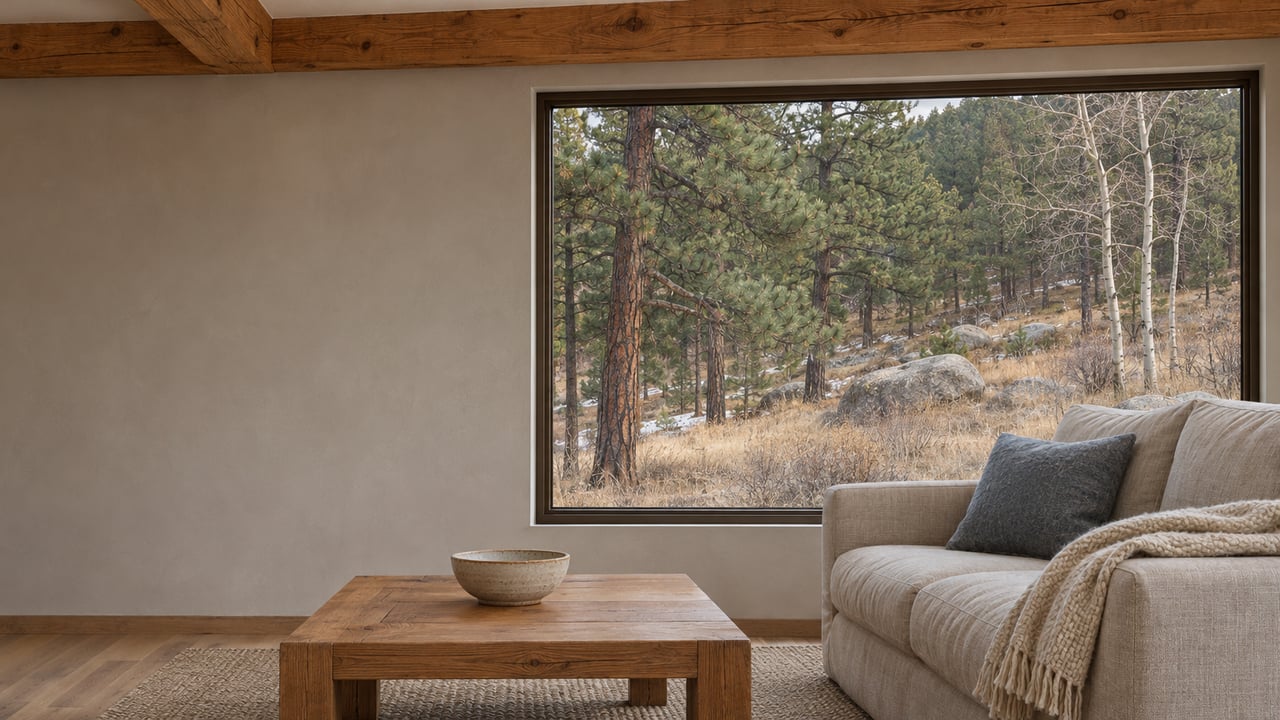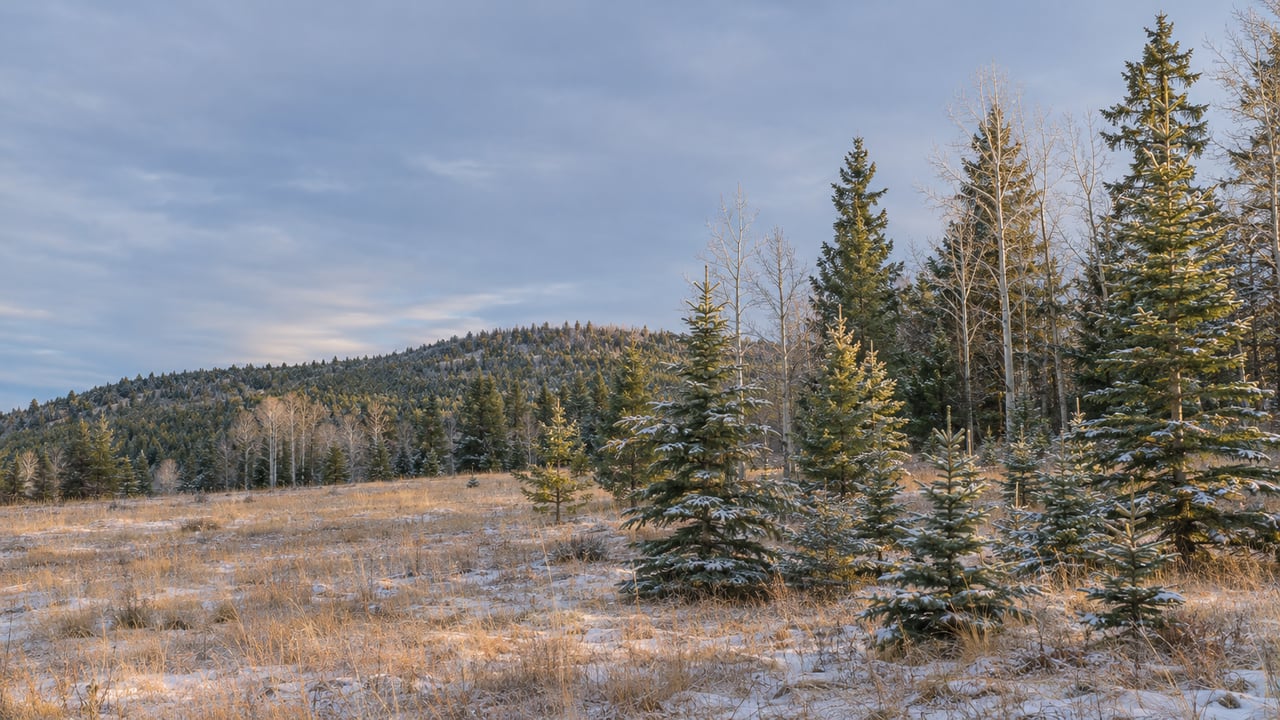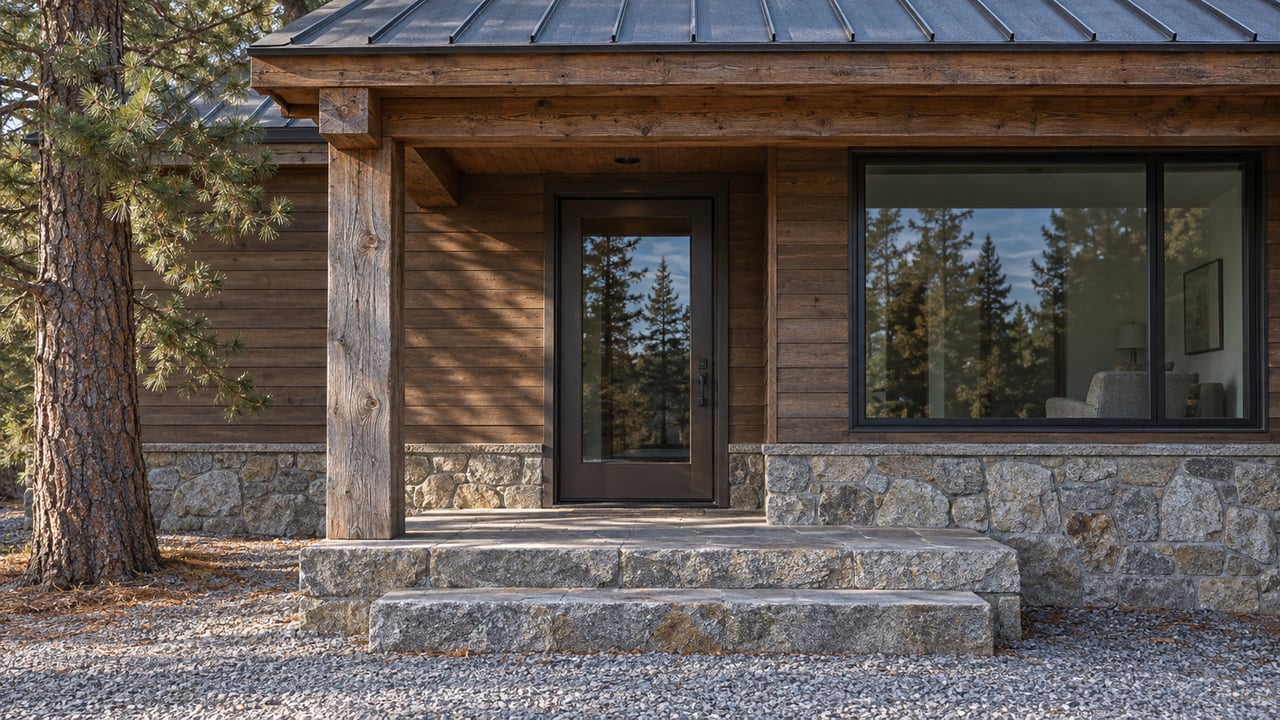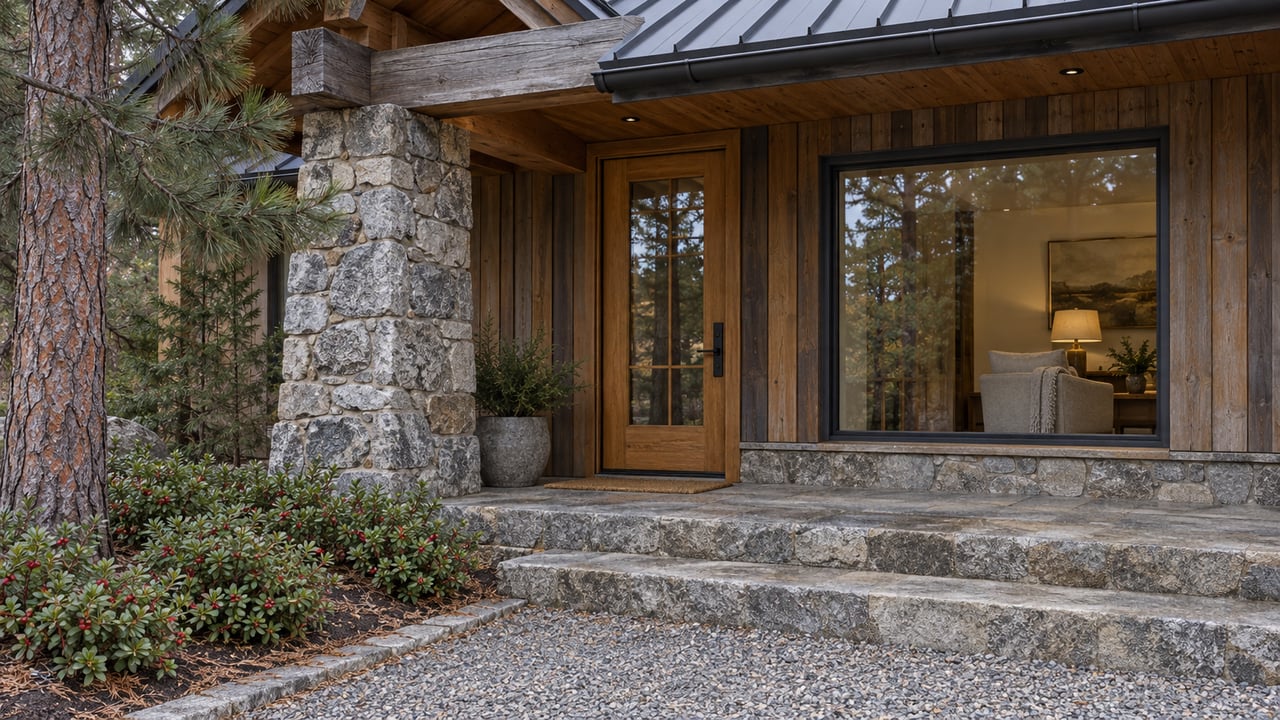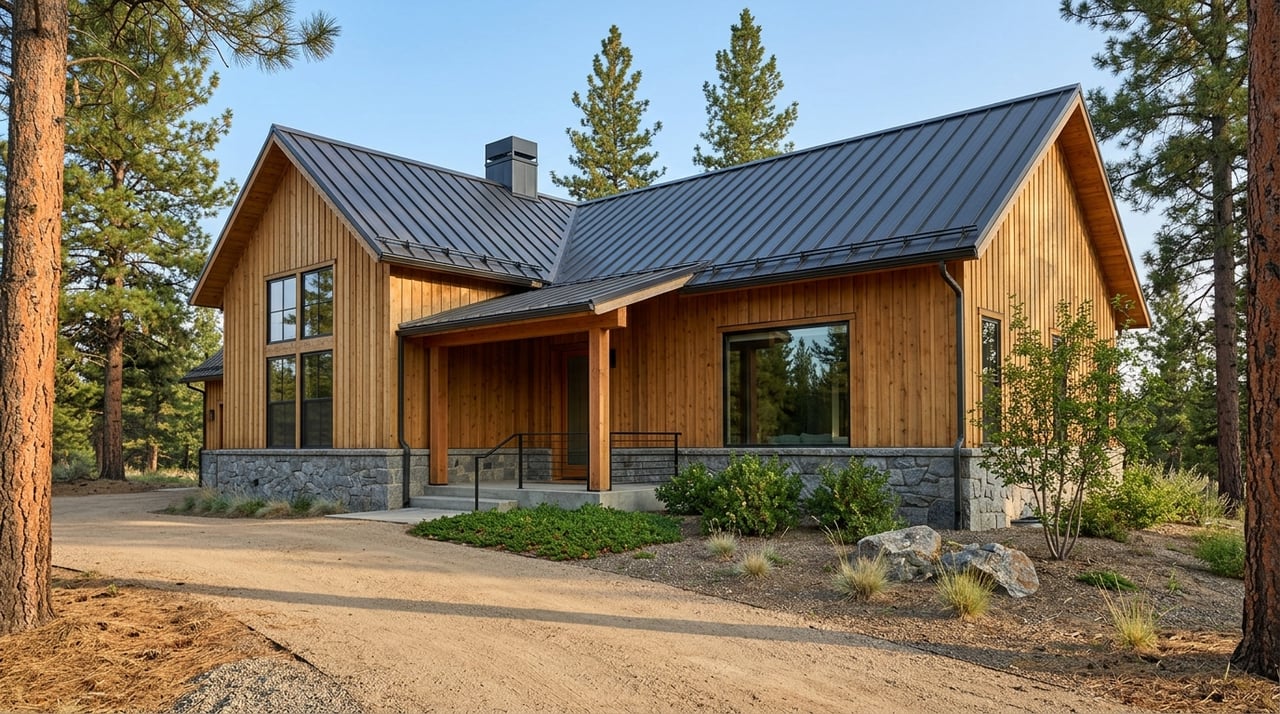
Trying to decide whether to build from the ground up or buy an existing home in Conifer? In the foothills, that choice is rarely just about style or price. You also need to think about access, topography, water and wastewater, wildfire rules, and how long you want the process to take. This guide will help you compare both paths so you can make a more confident decision in Conifer’s unique mountain market. Let’s dive in.
Conifer Market Snapshot
Conifer’s housing market already gives you an important starting point for this decision. In spring 2026, sold-home value benchmarks clustered roughly between $730,000 and $762,756, while Realtor.com reported a median listing price of $807,500 in April 2026. That same report counted 111 homes for sale, which gives buyers a meaningful resale pool to compare against the idea of building.
Those numbers matter because building is not happening in a vacuum. If resale inventory gives you solid options in your target price range, buying may offer a faster and more predictable path. If you want a very specific lot, layout, or long-term setup, building may still make sense, but you need to compare it against real local alternatives.
Why Foothills Properties Are Different
In Conifer, the land itself often shapes the decision as much as the house does. A parcel may look appealing online, but the real question is whether it is truly ready for a home.
Jefferson County says new homes require a building permit along with Planning & Zoning and Building Safety review. County staff may also review access, water, wastewater, and fire protection or mitigation. Depending on the parcel, review can extend to floodplains, easements, grading, geohazard soils reports, and driveway access on county-maintained roads.
That means a foothills build has more moving parts than a flat-lot suburban project. Even before construction starts, the lot may need engineering, additional reports, or access work. For many buyers, that is the key difference between the dream of building and the reality of building in Conifer.
Buying an Existing Home in Conifer
Faster Timeline and Simpler Financing
For many buyers, purchasing an existing home is the easier path. You can usually avoid the short-term structure of a construction loan and move forward with a more familiar purchase process.
The Consumer Financial Protection Bureau says construction loans are typically short-term, funded in draws, and may need to convert into a permanent mortgage or require reapplication. By contrast, buying an existing home usually offers more financing clarity from the start.
Time is another major factor. NAHB’s analysis of Census data found the average U.S. single-family home took 10.1 months to complete in 2023, with homes built for sale averaging 8.9 months. If your priority is getting settled sooner, an existing home usually has the advantage.
What Due Diligence Still Matters
Buying resale in the foothills does not mean skipping property research. It simply means you are evaluating an existing setup instead of creating one from scratch.
If the home has a septic system, Jefferson County requires an inspection and use permit before sale for systems installed more than five years earlier. If the property uses a private well, the county says there is generally no legal requirement to test in most cases, but the homeowner is responsible for water quality and should test regularly. The county also notes that wells require a state permit.
In practical terms, a resale purchase often works best when the property has clear septic and well documentation, usable access, and fewer immediate improvement needs. That helps you compare cost and condition more clearly before closing.
The Tradeoff With Resale Homes
The biggest downside to buying existing is that you inherit the home’s layout, siting, and orientation. You may be able to remodel later, but major additions or changes can trigger future county review.
That makes resale a strong option when you value speed, simpler financing, and fewer sitework unknowns. It can be less appealing if you already know you want a very specific floor plan, view alignment, or custom use of the land.
Building on Land in Conifer
More Control Over the Final Home
If you want a home designed around your lifestyle and the site itself, building gives you the most flexibility. You can choose the layout, position the home on the lot, and prioritize features that matter most to you.
This path can be especially appealing if you want acreage, privacy, or a long-term home tailored to the foothills. A well-chosen parcel may let you create a better fit than anything currently on the resale market.
More Complex Financing and Process
That flexibility comes with a more layered process. The CFPB says construction loans are generally short-term, with funds released as work progresses, and payments may begin six to 24 months after the loan is made. Rates are often higher than longer-term purchase mortgages.
You also need to be ready for a longer timeline and more decision points. Financing, permitting, site prep, inspections, and construction sequencing all add complexity. In a foothills setting, each of those stages can be affected by the land itself.
County Reviews and Permit Layers
In Jefferson County, a new home can involve more than one approval. Depending on the site, the process may include a building permit, planning and zoning review, an access permit for county-maintained roads, land-disturbance or grading review, and in some cases a CDPHE stormwater permit for larger disturbed areas.
The county also states that dwellings cannot be placed in easements or floodplains. If a parcel has geohazard concerns, soils testing and a geotechnical report may be required. These are the kinds of issues that can affect timeline and budget before vertical construction even begins.
Wildfire Rules Matter in the Mountains
In Conifer, wildfire resilience is a core part of the build decision. Jefferson County requires defensible-space permits above 6,400 feet for new structures, replacements, additions, and some new development.
The county says inspection must occur before the building permit is issued, and final defensible-space work must be complete before a certificate of occupancy is granted. It also says the wildfire resiliency code is being updated to align with Colorado’s 2025 code, with local compliance tied to the July 1, 2026 implementation timeline.
This is one of the clearest examples of how building in the foothills differs from buying in a more standard market. Fire mitigation is not just a good idea. It is part of the approval path.
Budgeting for Build vs Buy
Why Build Budgets Need Extra Categories
A realistic build budget in Conifer should go beyond the house itself. National data from NAHB’s 2024 survey found the average sales price of a new single-family home was $665,298, including $428,215 in construction costs and $91,057 in finished lot cost. It also found average site work costs of $32,719, including items such as permit fees, water and sewer fees or inspections, and architecture or engineering.
Those are national averages, and NAHB cautions that they are not a substitute for local estimating. In a foothills setting, your budget may also need separate line items for land, driveway or access work, grading, retaining walls, well and septic, wildfire mitigation, temporary housing during construction, and contingency.
Terrain Can Shift the Math
Topography can create real cost differences from one lot to another. Jefferson County says retaining walls over 3 feet must be engineered, and walls from 3 to 12 feet require a permit.
That means a steep or constrained lot may carry engineering and earthwork costs that do not show up in an online land search. Two parcels with similar asking prices may have very different total build costs once access and grading are factored in.
When Resale Can Be the Better Value
A resale home can look more attractive when it sits on an already improved parcel with usable access and established water or wastewater documentation. In those cases, you are often paying for improvements that already exist rather than recreating them from scratch.
On the other hand, building tends to make more sense when the parcel is relatively straightforward, the driveway and utility path are workable, and you want a long-term home tailored to that specific site. In Conifer, the better financial choice often depends less on list price alone and more on how buildable the land really is.
A Simple Decision Framework
If you are weighing both paths, these filters can help clarify the choice.
Buy Existing If You Want:
- Faster occupancy
- More straightforward financing
- Fewer sitework variables
- A clearer picture of what you are getting today
Build If You Want:
- A specific layout or home design
- More control over siting and finishes
- Acreage, views, or a custom long-term setup
- A property shaped around how you plan to live
Strong Build Parcels Usually Have:
- Location outside floodplains and easements
- Straightforward access
- Manageable grading
- Clear water and septic status
Strong Resale Candidates Usually Have:
- Documented septic and well history
- Reasonable year-round access
- Fewer near-term renovation needs
- A layout that already fits your goals
What Conifer Buyers Should Ask First
Before choosing build or buy, ask yourself a few practical questions. How soon do you want to move? How much uncertainty are you comfortable carrying during the process? Are you trying to solve for speed, customization, or both?
Then look closely at the property itself. In Conifer, the right decision often comes down to whether a lot is truly workable or whether an existing home already solves the hard parts for you.
If you want help comparing land, cabins, acreage, or single-family homes in the foothills, working with someone who understands mountain property details can save you time and help you avoid expensive surprises. When you are ready to talk through your options in Conifer, connect with Trang Janick.
FAQs
Should you build or buy in Conifer if you need to move quickly?
- Buying an existing home is usually the faster option because it avoids the full construction timeline, which NAHB reported averaged 10.1 months for single-family homes in 2023.
What permits matter when building a home in Conifer?
- Jefferson County says new homes may require a building permit, planning and zoning review, access review, and possibly grading, stormwater, or geotechnical review depending on the site.
What should you check before buying a resale home in Conifer?
- You should review septic and well documentation, access conditions, and any near-term repair or renovation needs, especially since septic inspection and use permit rules may apply before sale.
Why is wildfire mitigation important for new construction in Conifer?
- Jefferson County requires defensible-space permits above 6,400 feet for certain projects, with inspection required before permit issuance and completion required before occupancy.
Can a steep lot in Conifer cost more to build on?
- Yes. Jefferson County notes that retaining walls over 3 feet must be engineered, and permitted earthwork or access improvements can add to the total cost of building.
Is building in Conifer always more expensive than buying?
- Not always, but the answer depends on the parcel. A straightforward lot may be more feasible than a steep or constrained one, while a resale home on an already improved site may offer better value and fewer unknowns.