Thinking about buying or selling in Conifer and wondering what a Mountain Area Specialist actually does? Mountain homes look simple on the surface, yet the details behind wells, septic systems, wildfire risk, and access can change your timeline and your bottom line. When you know what to watch for, you can move forward with confidence. This guide shows how a specialist supports you at every step, what to expect in Conifer, and how to prepare for a smooth closing. Let’s dive in.
Why Conifer needs a specialist
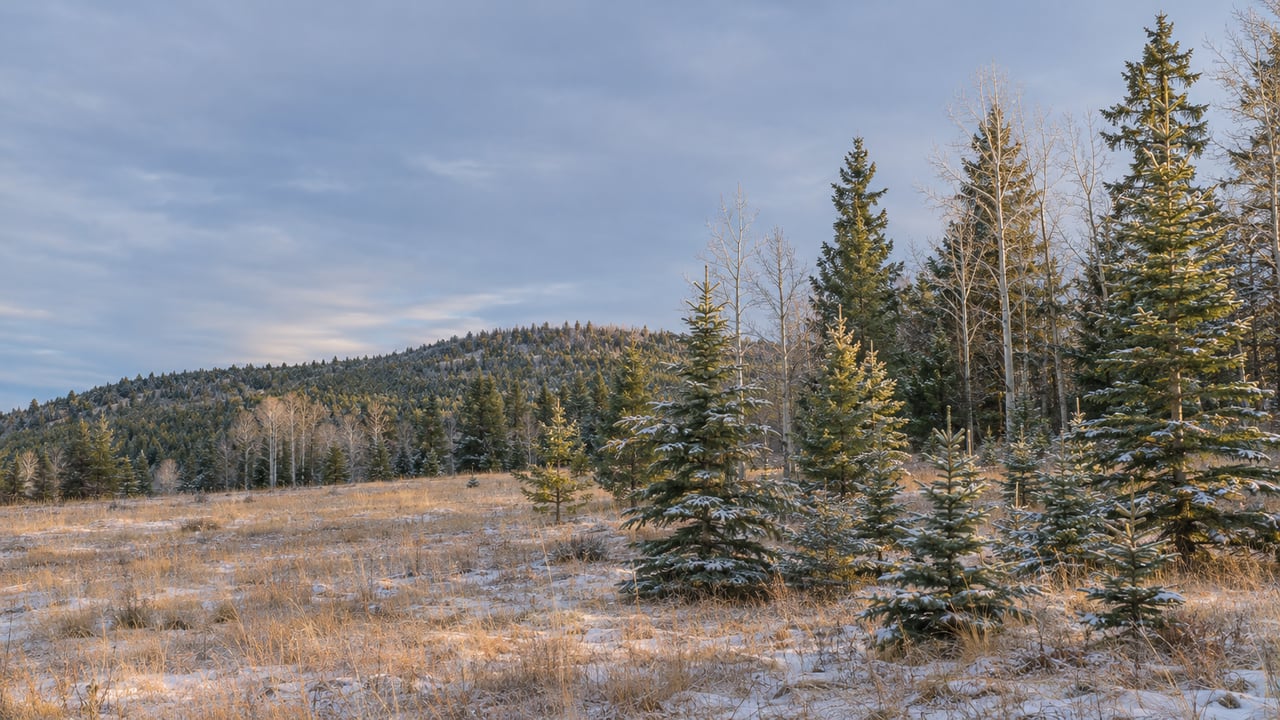
Conifer sits in the Front Range foothills with sloped, wooded lots at higher elevation. That setting brings unique variables that standard suburban transactions rarely face. A specialist bridges the gap by coordinating mountain-specific inspections, flagging insurance and financing hurdles early, and translating technical issues into practical choices. The result is fewer surprises and a clearer path to closing.
Pricing and value factors
Pricing a mountain property takes more than a simple radius search. A specialist adjusts value based on land, access, systems, and seasonal realities that directly affect livability and cost.
Usable acreage vs. total acreage
Mountain parcels often include steep slopes, rock outcrops, or drainages that limit where you can build, park, or play. Usable space can be more important than raw acreage. Your agent helps quantify that difference for pricing and negotiations. Clear documentation supports appraisals when comparables are limited.
Access and road maintenance
Year-round access matters. County-maintained roads, private roads, and shared driveways carry different obligations. A specialist confirms who plows, who pays, and whether agreements are recorded. Unclear road maintenance can reduce buyer demand and appraised value.
Views and solar exposure
Big views often command a premium. Solar exposure also affects snow and ice management, roof load, and energy use. Your agent weighs these factors in the CMA and sets expectations for winter upkeep and staging.
Easements and rights-of-way
Driveway, utility, and ingress or egress easements are common in rural areas. A specialist partners with title professionals who know mountain subdivisions to confirm the records match what you see on site. Clean paperwork protects access and future resale.
Wells, septic, and utilities
Most Conifer homes rely on private wells and septic systems. These systems are essential to daily life and to financing. A Mountain Area Specialist ensures the right tests and documents are completed on a realistic timeline.
Private wells checklist
- Confirm permit history and well log.
- Perform a production or yield test and check static water level.
- Complete water quality testing for bacteria and a standard chemical panel.
- Review pump condition, controls, and any storage capacity.
Septic system essentials
- Verify permits, as-built drawings, and maintenance records.
- Pump and inspect the tank; evaluate the drain field and soil conditions.
- Assess age, layout, and replacement feasibility given lot constraints.
- Plan for seasonal limits since frozen ground can delay repairs.
Heat, energy, and broadband
Propane delivery and wood stoves are common. Chimneys and wood-burning appliances should be inspected and cleared for safe use. Xcel Energy serves many parts of Jefferson County, though some parcels rely on buried lines or backup generation. Broadband and cell service can be inconsistent in foothills locations, so verify provider options and speeds during due diligence.
Wildfire risk and mitigation
Wildfire risk is a central consideration in Conifer. A specialist evaluates defensible space, roof materials, and ember-resistant features. They also connect you with local mitigation crews and resources so you can act quickly. Insurance availability and cost can depend on documented mitigation and property condition.
Insurance, lending, and appraisal realities
Mountain properties face added scrutiny. Insurers may set conditions for coverage on homes with high wildfire exposure or wood stoves. Lenders and appraisers often require well and septic documentation, with stricter standards for FHA and VA loans. Limited comparables are common, so your agent prepares detailed notes and vendor estimates to support value adjustments.
Inspections and due diligence timeline
Mountain transactions typically need more time. Your specialist schedules the right vendors in the right order and builds realistic deadlines into your contract.
What gets inspected
- Well: permits and log, yield test, static level, and water quality.
- Septic: pumping and inspection, system type and age, as-built records.
- Structure and envelope: roof condition and snow load, ice dam risk, ventilation, chimney and wood stove.
- Site: driveway grade and winter access, drainage and erosion, retaining walls, and slope stability.
- Hazards and compliance: wildfire risk assessment, radon testing, and any recorded mineral or access encumbrances.
- Title: easements, road maintenance agreements, covenants, and restrictions.
How your specialist manages timing
- Allows longer due diligence windows for well and septic testing.
- Schedules season-sensitive work to avoid frozen ground issues.
- Anticipates contractor lead times for septic, arborists, and surveyors.
Negotiations that protect your budget
Mountain deals often center on system performance, risk, and access. A specialist uses local norms and cost data to negotiate the right mix of repairs, credits, or price adjustments.
Common negotiation levers
- Repairs or credits for septic, well, chimney, or defensible space.
- Longer inspection contingencies balanced with clear milestones.
- Price or credits to offset insurance or financing limitations.
Seller preparation that builds trust
If you are listing in Conifer, proactive documentation reduces buyer uncertainty and speeds up offers. Your specialist helps you assemble a complete package.
Smart seller deliverables
- Septic permits, as-built, and recent pumping or inspection records.
- Well log, permit, and any water quality testing.
- Roof, HVAC, and chimney service records.
- Snow removal contracts or road maintenance agreements.
- HOA or metro district documents and any assessments.
- Defensible space records and any Firewise participation.
- Surveys or boundary documentation.
Staging and showing considerations
Winter showings can be weather-dependent. Provide clear parking and safe walkways for buyers and inspectors. Your agent sets showing protocols for limited daylight and highlights solar exposure and winter access in marketing.
Vendor coordination you can count on
A Mountain Area Specialist maintains a vetted network and manages the call sheet so you do not have to. That saves you time and ensures mountain-specific issues are handled by the right pros.
Who is on the team
- Well drillers and water testing labs.
- Septic designers, inspectors, and pumpers.
- Home inspectors trained on mountain systems and wood stoves.
- Chimney specialists.
- Surveyors and geotechnical engineers for steep lots.
- Arborists and wildfire mitigation crews.
- Snow removal and driveway maintenance vendors.
- Title companies experienced with rural easements and mineral rights.
- Insurance brokers familiar with foothills coverage.
Red flags a specialist watches for
Some issues can be overcome with planning. Others signal significant risk. A specialist is trained to spot both.
- Missing well logs or unclear permit history.
- Septic systems beyond service life with no as-built.
- Private roads without a clear, recorded maintenance agreement.
- Dense fuels near structures or poor defensible space.
- Prior insurance non-renewal or difficulty obtaining quotes.
- Unpermitted additions or structures.
- Slope stability or erosion concerns from major cut and fill.
When to start and what to ask
Whether you are early in your search or ready to list, loop in a specialist before you set timelines. Early guidance helps you avoid rushed offers and missed tests.
Questions to ask your agent
- How many recent Conifer transactions have you closed, and what were the major issues you solved?
- Who are your preferred well, septic, and wildfire vendors, and how quickly can they schedule?
- How do you adjust pricing for usable acreage, access, and mitigation status?
- What is your plan if insurance quotes come back high or lenders add conditions?
- How do you structure contingencies and deadlines for mountain due diligence?
Work with a local expert
Buying or selling in Conifer is a lifestyle choice and a technical project. You deserve clear communication, realistic timelines, and marketing that showcases the mountain experience while addressing the details that matter. As a Certified Mountain Area Specialist, I pair localized expertise with professional media and a service-first approach so you can move with confidence. Ready to talk strategy or request a free valuation? Connect with Trang Janick.
FAQs
What does a Mountain Area Specialist do in Conifer?
- Coordinates mountain-specific inspections, vets access and easements, anticipates insurance and lending issues, and negotiates repairs or credits tied to wells, septic, and wildfire risk.
How are wells and septic systems evaluated in Conifer?
- Your agent arranges permit checks, yield and water quality tests for wells, and septic pumping with inspection and as-built verification, all timed around seasonal conditions.
How does wildfire risk affect insurance in Conifer?
- Insurers may require mitigation or set higher premiums; early quotes and documented defensible space help secure coverage and keep deals on track.
How long do mountain transactions usually take?
- Longer than metro-area deals; expect extended due diligence for well and septic testing, vendor scheduling, and weather-dependent access.
Do private roads impact financing or resale?
- Yes, clear and recorded maintenance agreements support year-round access, wider buyer appeal, and smoother appraisals; unclear obligations can reduce value.